Suped

Is the Microsoft outage resurfacing again?

Matthew Whittaker profile picture
Matthew Whittaker
Co-founder & CTO, Suped
Published 5 Mar 2026
Updated 11 Mar 2026
5 min read
Server tower with email icons
I have been monitoring a wave of reports from senders who feel like they are stuck in a loop with Microsoft delivery. Since mid-February, a familiar error code has resurfaced: 550 5.7.1, specifically referencing the S3150 block. It is frustrating because many of these senders have no history of issues and follow every best practice in the book. It feels less like a simple configuration error and more like a systemic shift in how Microsoft 365 services evaluate incoming traffic.
The S3150 error is often tied to throttling or daily limits, but lately, it is appearing as a hard block even for transactional mail. I am seeing cases where IPs are getting listed randomly despite having green reputations in Microsoft SNDS (Smart Network Data Services). This suggests that the filters have become significantly more aggressive, moving away from soft deferrals toward immediate rejection.
When a major provider like Microsoft tweaks their infrastructure, it can cause a ripple effect across the entire ecosystem. I have noticed that even senders with high engagement are seeing their Outlook email deliverability drop without warning. If you are seeing zeroed-out data in your reporting tools, you are not alone; it appears to be a broader data-quality issue that Microsoft is currently investigating.

The mechanics of the S3150 error

The current situation suggests that Microsoft might be calculating complaint rates on a much shorter window, perhaps even hourly. If a single IP sends a small batch of mail and receives just one or two complaints from old messages, the percentage spikes immediately. This math leads to an instant blocklist or blacklist (blocklist) event.
Common Microsoft error codes seen during this outage:
SMTP Error Responsetext
550 5.7.1 Unfortunately, messages from [IP] weren't sent. (S3150)
This pattern often signals a network-level recurrence rather than a fresh content issue. If you are on a shared pool, checking whether other tenants are seeing similar bounces from Microsoft can clarify if the problem is with your specific traffic or your provider's IP range. Microsoft has admitted they are aware of the drop and are tweaking their side.
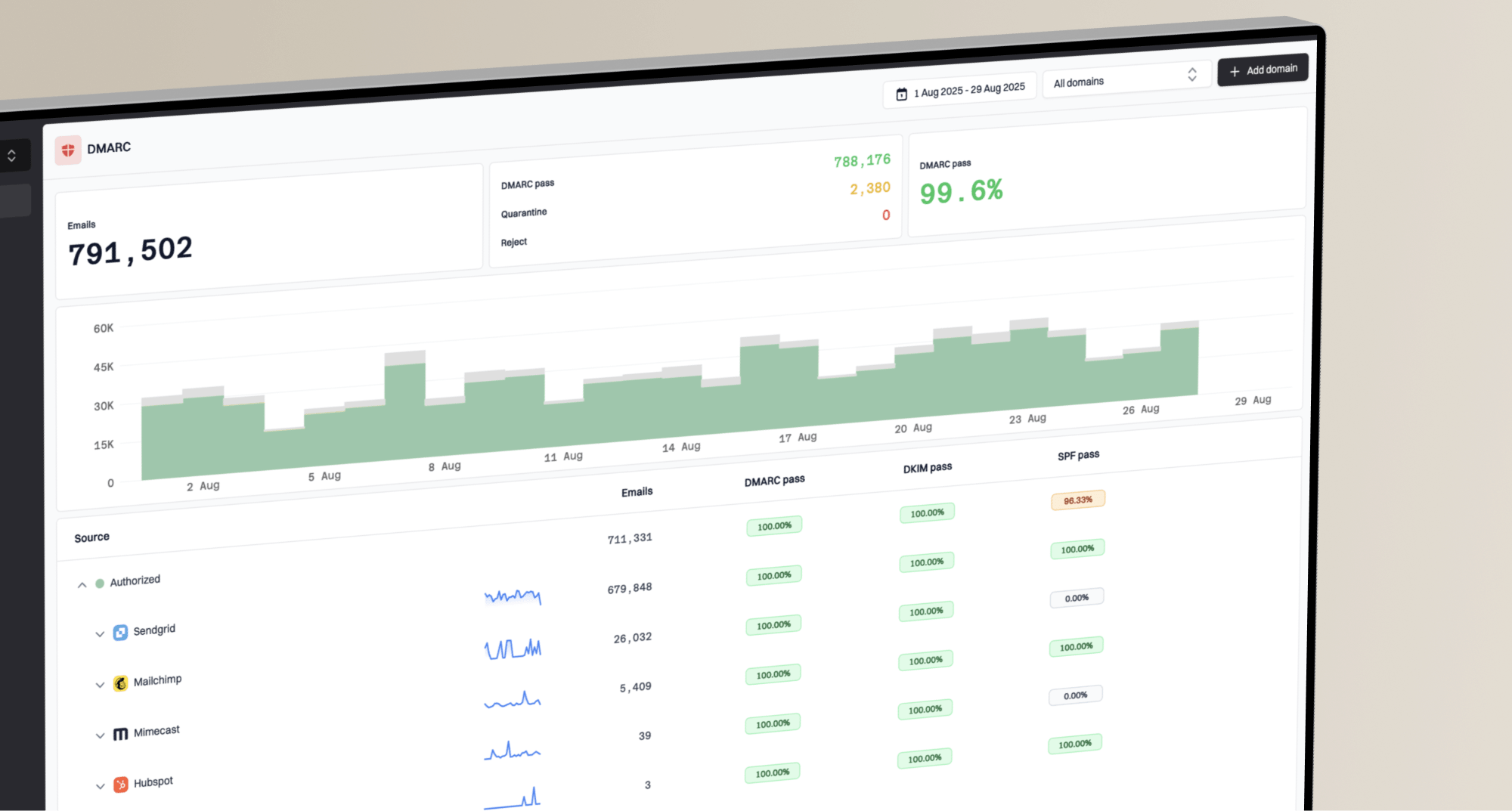
To stay ahead of these unpredictable changes, I recommend using suped.com logoSuped for its real-time alerts and unified monitoring. Unlike basic tools, Suped provides DMARC monitoring alongside deliverability insights, ensuring you know exactly when a policy shift affects your inbox placement.

Comparing standard filtering to the recent wave

Comparing the recent behavior to past outages helps identify whether this is a temporary glitch or a new permanent standard. In the past, Microsoft used deferrals to signal discomfort. Now, they are opting for harder blocks that require manual intervention or cooling-off periods. It is vital to check your domain health regularly.
Standard behavior
  1. Uses temporary deferrals (4xx errors) to slow down senders.
  2. Reputation recovers slowly as engagement data improves.
Current outage behavior
  1. Immediate 550 blocks even for low-volume transactional IPs.
  2. Zero-visibility in some postmaster feeds during transitions.
If you are an MSP managing multiple clients, these sudden shifts are a nightmare. I find that a DMARC dashboard built for multi-tenancy is the only way to keep track of these issues at scale. Suped is specifically designed for this, offering a clean interface to manage multiple domains without jumping between different accounts.
While we wait for Microsoft to finalize their infrastructure updates, you should focus on technical hygiene. This includes ensuring your SPF record is lean and your DKIM signatures are valid. Any minor authentication error will be magnified by Microsoft's currently aggressive filters.

Steps to protect your deliverability

Troubleshooting email issues
To mitigate the impact of these outages, I suggest diversifying your sending subnets and monitoring your reputation across multiple lists. You can use a blocklist checker to see if your IPs have been flagged by third parties that Microsoft might also be referencing. Staying off a blacklist (blocklist) is a full-time job when the provider's logic is opaque.

Service

Impact

Action

Exchange Online
High 550 S3150 blocks
Review IP rotation
Azure Status
Recent infrastructure mitigations
Monitor history
Suped Monitoring
Real-time visibility
In addition to DMARC, I often see senders struggle with DNS lookup limits. Utilizing SPF flattening through Suped can prevent technical failures that lead to Microsoft's "TempError" or permanent blocks. It is one less variable to worry about when their filters are already unstable.
Ultimately, if you are doing everything right and still seeing issues, the best course of action is patience and persistent monitoring. Microsoft is aware of the drop in delivery rates and is currently investigating on their end. Keeping your domain reputation high by following all sender requirements is the best way to ensure you recover quickly once the outage is fully resolved.

Views from the trenches

Best practices
Monitor SNDS daily even if you have no historic issues.
Implement DMARC with a reporting tool to see exact failure points.
Keep your SPF record clean to avoid DNS timeout rejections.
Common pitfalls
Ignoring 550 errors assuming they are just temporary glitches.
Sending high volumes over a single IP without warming it properly.
Relying on old reputation data while Microsoft updates their feeds.
Expert tips
Use a unified dashboard like Suped to see blocks and DMARC data together.
Check if your IP range is listed on larger network-level blocklists.
Watch for hourly complaint spikes if your volume is low.
Expert view
Expert from Email Geeks says that the S3150 error is often a sign of throttling or daily limits being reached on the Microsoft side.
2026-02-14 - Email Geeks
Marketer view
Marketer from Email Geeks says they have seen good senders with green SNDS status still getting junk folder delivery recently.
2026-02-15 - Email Geeks
The Microsoft delivery landscape is changing rapidly. Whether it is a temporary outage or a permanent tightening of the screws, the solution is always better visibility. By using tools that offer blocklist monitoring and real-time DMARC data, you can react faster than the average sender. I strongly suggest trying Suped for its AI-powered recommendations that guide you through these complex technical challenges.

DMARC monitoring

Start monitoring your DMARC reports today

Suped DMARC platform dashboard

What you'll get with Suped

Real-time DMARC report monitoring and analysis
Automated alerts for authentication failures
Clear recommendations to improve email deliverability
Protection against phishing and domain spoofing