TechTheft Bad Whois Blacklist

TechTheft Bad Whois is a domain blocklist (also called a blacklist) that identifies domains with inaccurate or falsified WHOIS records.
Updated on 17 Jun 2026: We updated this guide for WHOIS/RDAP handling, domain reputation context, blacklist impact, and clearer delisting steps.
Summarize with
Check if you are listed on TechTheft Bad Whois Blacklist
And 143 other blocklists.







What is the TechTheft Bad Whois blacklist?
The TechTheft Bad Whois blacklist is a domain-based blocklist that targets domains with inaccurate or falsified registration data. According to TechTheft, listings on this blacklist are semi-automatic and based on manually verified WHOIS information.
This blocklist is intended for informational use. Unlike many public blacklists, access is private and available only to subscribers by invitation. TechTheft's policy indicates that a listing means a network abuse complaint was received and has not been resolved. The blacklist (or blocklist) is designed to flag domains that lack accurate and reachable ownership information, which can be a sign of malicious activity.
Treat "Bad Whois" as shorthand for registration-data quality, not only legacy WHOIS output. RDAP is now common for domain registration lookups, so the practical check is whether the domain's registrar-held data, public RDAP response, and any remaining WHOIS response are accurate and consistent.
Who runs the TechTheft Bad Whois blacklist?
TechTheft operates the blacklist. Its public material describes a focus on what it calls "Hi-Technology Theft", including spam, malware delivery, DDoS attacks, and related network abuse.
TechTheft's philosophy is that filtering abuse after delivery is not enough; it wants abuse prevented at the source. The organization supports cutting off services to sources and supporters of such abuse, a policy it calls an "Internet Death Penalty". That strict position explains why unresolved abuse complaints and bad registration data matter to this blacklist.
What is the impact of being listed?
The impact of being listed on the TechTheft Bad Whois blacklist is generally low. Because access is private and invitation-only, a listing does not create the broad email delivery problems associated with public DNSBLs, RBLs, or high-volume IP blacklists. The practical risk is narrower: subscribers can reject, quarantine, or treat messages and domain references with lower trust.
TechTheft Bad Whois is domain-based. A clean sending IP, clean MX host, or passing SPF, DKIM, and DMARC result does not prove the domain is clear on this blacklist (or blocklist), because the listing is tied to registration-data accuracy and unresolved abuse complaints.
How to confirm why the domain was listed
Start with the registration record rather than only an IP blacklist check. For a bad WHOIS listing, the useful question is whether the domain's registrar-held data is accurate, reachable, and consistent across RDAP and remaining WHOIS outputs.
- Compare RDAP and WHOIS details. Check registrar, registration status, nameservers, creation and expiry dates, visible registrant or organization fields, and abuse contact details. Fix mismatches through the registrar, because public lookup output can lag after a correction.
- Verify contact paths. Confirm the registrant email, privacy or proxy forwarding, registrar abuse channel, and any abuse@ mailbox reach a monitored inbox.
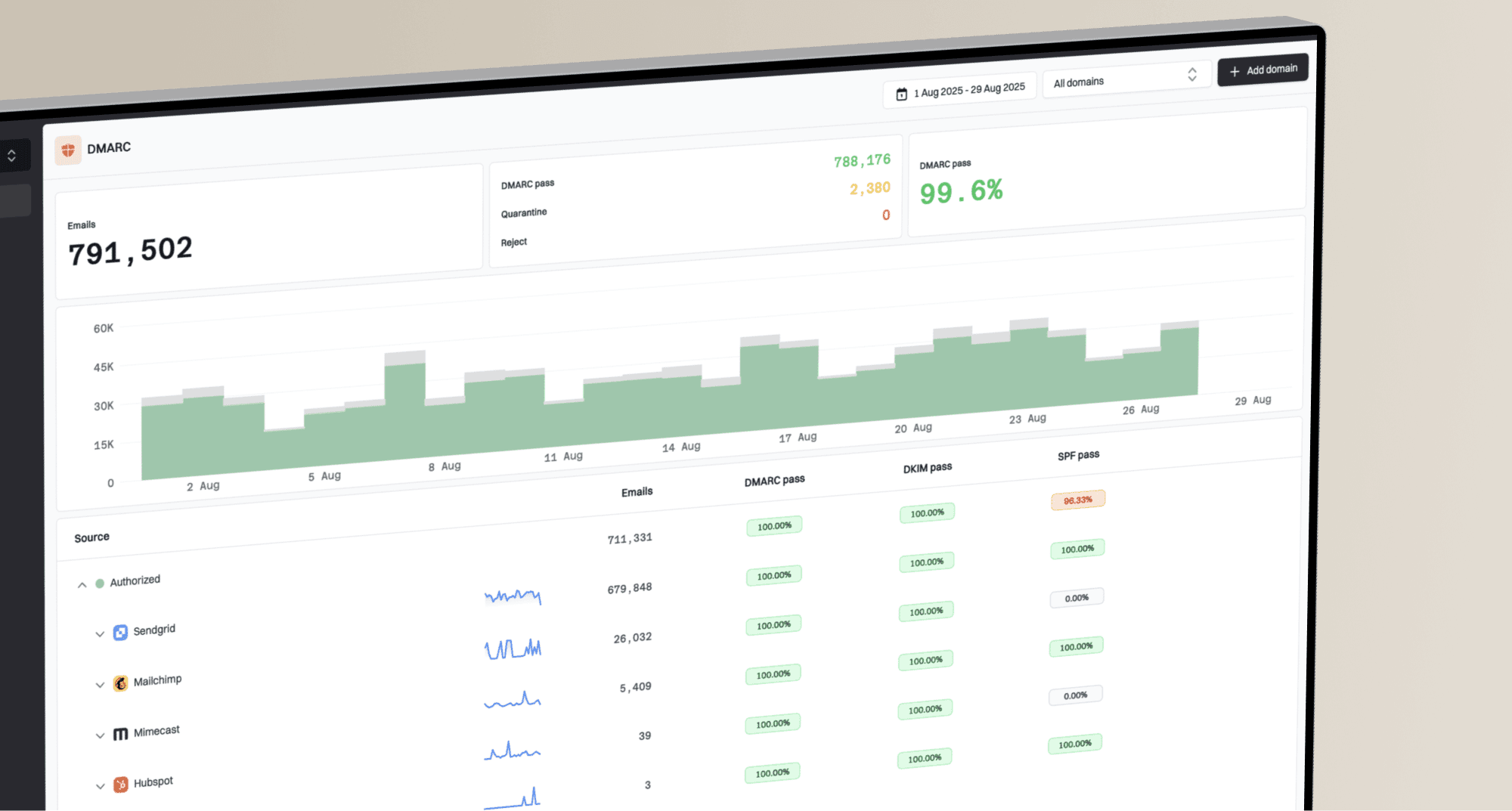
- Review abuse sources. Check website files, DNS changes, mail logs, and DMARC aggregate reports for unauthorized use of the domain. Suped's DMARC reporting product helps identify services sending as your domain so the team can separate approved senders from abuse.
- Separate domain and IP reputation. A domain blacklist check and an IP blacklist check answer different questions; both matter for email delivery, but TechTheft Bad Whois focuses on registration-data trust.
How do I get removed from TechTheft Bad Whois blacklist?
Removal from this blocklist is tied to the reason for the listing: inaccurate registration data or an unresolved abuse complaint. TechTheft's stated removal path is to have the domain's status changed to "GOOD" or "UNKNOWN". Before this happens, fix the underlying record and complaint trail.
- Correct registrar-held registration data. Review the domain in your registrar account and in RDAP/WHOIS output. The underlying registrant details should be valid, even when public fields are redacted for privacy.
- Keep contact channels working. Confirm registrar verification email, privacy or proxy forwarding, domain contact forms, and abuse@yourdomain.com reach a monitored inbox.
- Resolve open complaints. If abuse complaints exist, remove compromised content, stop unauthorized mail, fix DNS changes, and reply through the available complaint channel.
- Keep evidence of the fix. Save registrar ticket IDs, timestamps, corrected registration fields, and complaint replies so you can respond quickly if a subscriber or administrator asks for proof.
There is no public manual delisting form. Once the registration data and abuse issue are corrected, TechTheft's semi-automatic process is designed to move the domain to "GOOD" or "UNKNOWN" and remove the listing. Removal timing depends on TechTheft's refresh cycle and whether the complaint has been resolved.
Other blocklists
TechTheft Blacklist
Organization
TechTheft
Zone
bl.techtheft.info
Type
IP
Impact
Inactive
Delisting
Manual
TechTheft Bogon Blacklist
Organization
TechTheft
Zone
bogon.bl.techtheft.info
Type
IP
Impact
Inactive
Delisting
Manual
TechTheft Conferr Blacklist
Organization
TechTheft
Zone
conferr.bl.techtheft.info
Type
IP
Impact
Inactive
Delisting
Manual
TechTheft Domain Blacklist
Organization
TechTheft
Zone
domain.bl.techtheft.info
Type
IP
Impact
Inactive
Delisting
Manual
TechTheft Expanded Blacklist
Organization
TechTheft
Zone
expanded.bl.techtheft.info
Type
IP
Impact
Inactive
Delisting
Manual
TechTheft ISP Blacklist
Organization
TechTheft
Zone
isp.bl.techtheft.info
Type
IP
Impact
Inactive
Delisting
Manual
TechTheft Nana Blacklist
Organization
TechTheft
Zone
nana.bl.techtheft.info
Type
IP
Impact
Inactive
Delisting
Manual
TechTheft Other Blacklist
Organization
TechTheft
Zone
other.bl.techtheft.info
Type
IP
Impact
Inactive
Delisting
Manual
TechTheft Robot Blacklist
Organization
TechTheft
Zone
robot.bl.techtheft.info
Type
IP
Impact
Inactive
Delisting
Manual
TechTheft Scanning Blacklist
Organization
TechTheft
Zone
scanning.bl.techtheft.info
Type
IP
Impact
Inactive
Delisting
Manual
TechTheft Source Blacklist
Organization
TechTheft
Zone
source.bl.techtheft.info
Type
IP
Impact
Inactive
Delisting
Manual
TechTheft Support Blacklist
Organization
TechTheft
Zone
support.bl.techtheft.info
Type
IP
Impact
Inactive
Delisting
Manual
TechTheft Virus Blacklist
Organization
TechTheft
Zone
virus.bl.techtheft.info
Type
IP
Impact
Inactive
Delisting
Manual
TechTheft Watchlist Blacklist
Organization
TechTheft
Zone
watchlist.bl.techtheft.info
Type
IP
Impact
Inactive
Delisting
Manual
TechTheft Web Blacklist
Organization
TechTheft
Zone
web.bl.techtheft.info
Type
IP
Impact
Inactive
Delisting
Manual