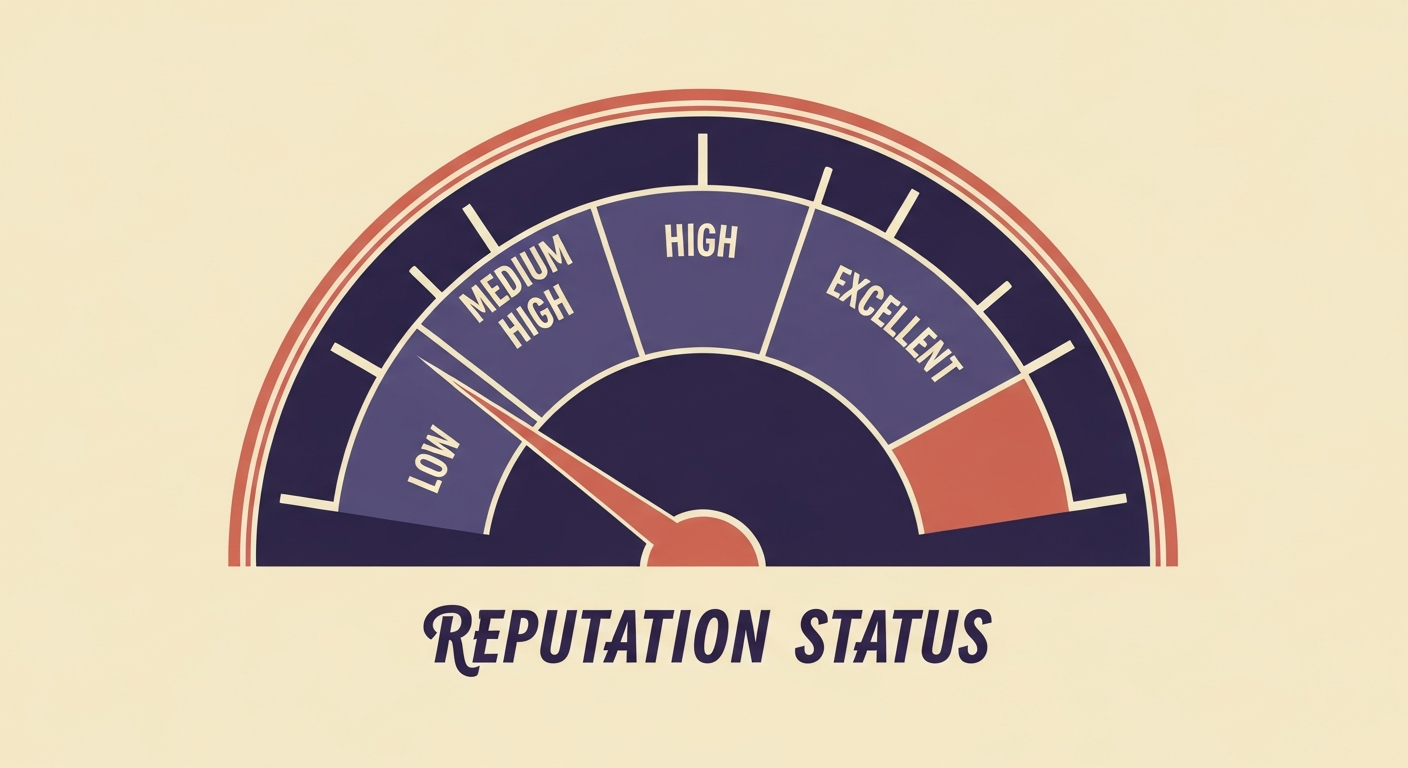
Starting a new email service is a massive undertaking. I have seen many developers launch with perfect code but zero sender reputation, only to find their password resets landing straight in the spam folder. It is a classic chicken and egg problem because you need to send mail to prove you are a good sender, but you cannot get into the inbox until you are proven.
Building this trust is not an overnight process. It requires a mix of technical precision and human behavior. When you are starting from a fresh IP and a new domain, every single message is scrutinized by filters at major providers. Even if your authentication is set up correctly, the lack of history is a signal of risk for most mailbox providers.
The key is to earn the inbox through consistent, high quality interactions. I recommend starting small and focusing on real users who expect your mail. If you try to scale too quickly on poor infrastructure, you will likely end up on a blacklist (or blocklist) before you even sign your first major client.
Establishing technical foundations
Your choice of hosting is the first critical decision. Many affordable VPS providers have ranges that are frequently abused by bad actors. If your IP address has a negative history from a previous tenant, you are fighting an uphill battle before you even send a single packet.
I suggest checking any new IP address against a blocklist checker before committing to it. If the range is already flagged, ask your provider for a different assignment. It is much easier to start clean than to try and improve reputation that is already damaged.
Using a hybrid approach can also work well. You might use a major provider for your initial transactional volume to establish your domain health before migrating to your own servers. This separates the variable of IP reputation from your domain history.
Authentication and monitoring
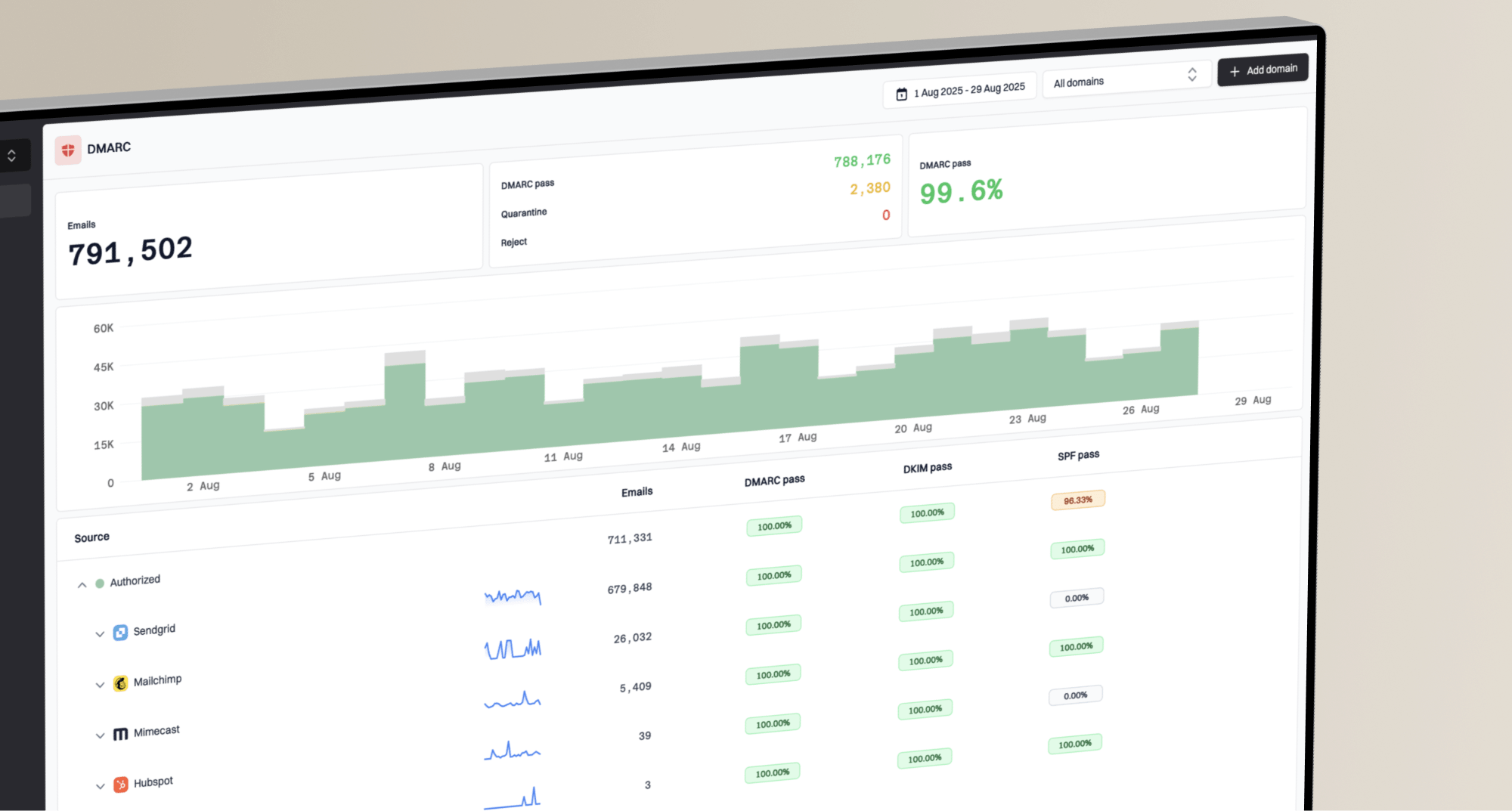
Authentication is your passport in the email world. Without valid SPF, DKIM, and DMARC records, most modern filters will simply reject your mail. I recommend using Suped for DMARC monitoring because it provides clear insights into how mailbox providers view your traffic.
Essential checklist for new senders
Domain alignment: Ensure your DKIM and SPF domains match your From address.
DMARC policy: Start with a p=none policy to gather data.
If you are managing multiple clients, look for a platform with a DMARC for MSPs dashboard. This allows you to scale your infrastructure while keeping each customer's reputation isolated and protected. It is much safer than mixing everything on a single IP.
Don't forget to implement SPF flattening if your records become too complex. A DNS timeout at a major provider like Microsoft can cause instant delivery failure, which is a setback you want to avoid during your warmup phase.
Managing early traffic
The fastest way to grow your reputation is to generate positive engagement. When your test emails go to spam, mark them as 'not spam'. This is a consistent behavior that tells filters your content is desired. Encourage your early users to do the same.
You must also prevent abuse. If your password reset forms are hit by bots, you will send thousands of unwanted emails, which will result in your domain being blacklisted (or blocklisted). Use rate limiting and CAPTCHAs to ensure only real humans trigger your transactional mail.
Consistency over time is more important than volume. Sending 100 emails every day is much better for reputation than sending 700 emails once a week. Filters look for predictable patterns to confirm that you are a legitimate sender and not a compromised server.
Views from the trenches
Best practices
Start domain warming on established ESP IPs before moving to your own infrastructure.
Implement strict rate limiting on all transactional triggers to prevent bot abuse.
Monitor FBLs and Google Postmaster daily during the first ninety days of sending.
Common pitfalls
Using cheap VPS providers without checking IP history for previous blacklist entries.
Scaling volume too quickly before receiving consistent open and click engagement.
Neglecting to set up proper DMARC monitoring to catch early authentication failures.
Expert tips
Ask friends and family to move emails from spam to inbox to train the filters.
Use Suped to identify which providers are rejecting your mail and why.
Isolate transactional traffic from marketing mail to protect your core reputation.
Expert view
Expert from Email Geeks says that sending from a single VPS IP on a network like Hetzner is risky because those ranges are often flagged by SpamHaus due to neighbor noise.
2024-03-15 - Email Geeks
Marketer view
Marketer from Email Geeks says that using an established provider for the first few months allows you to build domain reputation safely before switching to a self-hosted MTA.
2024-03-16 - Email Geeks
Summary of reputation growth
Building reputation from scratch is a slow but rewarding process. By focusing on clean infrastructure, robust authentication, and genuine user engagement, you can move from the spam folder to the inbox. I always suggest starting with the right tools, like Suped, to monitor your progress and catch issues early.