Spam Eating Monkey SEM-URI

Spam Eating Monkey SEM-URI is a domain blocklist (or blacklist) of URIs found in spam. Entries expire after 30 days of inactivity. Monitor lists with Suped.
Updated on 17 Jun 2026: We updated this guide for SEM-URI expiry timing, SEM-URIRED context, and clearer delisting checks.
Summarize with
Check if you are listed on Spam Eating Monkey SEM-URI
And 143 other blocklists.






What is Spam Eating Monkey SEM-URI?
Spam Eating Monkey SEM-URI is a domain-based blocklist (URIBL) that lists URIs seen a required number of times in unwanted email. It focuses on domains found inside message content, so a listed domain can be affected even when the sending IP address itself is not listed.
Its query zone is uribl.spameatingmonkey.net, and a positive response is 127.0.0.2. A key feature of this blacklist is automatic expiration: domains expire after 15 days of inactivity, so a listing can age out when the URI is no longer seen in unwanted mail.
Because SEM-URI looks at message content, investigate the domains that appear inside mail, not only the domain in the visible From address. Common places to check include:
- Click-tracking and redirect domains.
- Landing-page, image-hosting, and file-download domains.
- Unsubscribe and preference-center domains.
- Shared vendor domains used across multiple senders.
Who runs Spam Eating Monkey SEM-URI?
The SEM-URI blacklist is operated by SpamEatingMonkey.com, an organization that provides real-time reputation information for IP addresses and domains. Its data helps mail administrators identify unwanted mail before it reaches users.
Spam Eating Monkey makes a key distinction about its role. It does not block anyone's mail directly. Instead, it publishes reputation data. The administrator of the recipient's mail server chooses whether to use this data and, at their discretion, block, score, or filter mail based on a listing. All data is provided 'as is' without warranty.
How SEM-URI differs from SEM-URIRED
SEM-URI uses uribl.spameatingmonkey.net and lists URIs found a required number of times in unwanted messages. SEM-URIRED uses urired.spameatingmonkey.net and is an early detection list for URIs that are expected to appear in unwanted mail before they show up in the normal flow.
SEM-URIRED also includes SEM-URI, so the two results should not be treated as identical when troubleshooting. A SEM-URI listing points to repeated unwanted-message evidence, while a SEM-URIRED listing can also come from earlier detection signals.
How to get removed from Spam Eating Monkey SEM-URI
Before requesting removal from any blacklist (or blocklist), first identify and resolve the issue that caused your domain to be listed. For SEM-URI, that means checking the domains and URLs inside the message body, including tracking links, redirects, landing pages, hosted images, and unsubscribe links. If you do not fix the root cause, your domain will likely be listed again.
Once you have fixed the problem, you can request delisting. Spam Eating Monkey provides a lookup tool on its website. If your domain is listed, you will find an option to request removal. According to its policy, removal requests are reviewed and processed within 24 hours. A denied request is still considered processed, and it usually means the underlying issue has not been fully addressed.
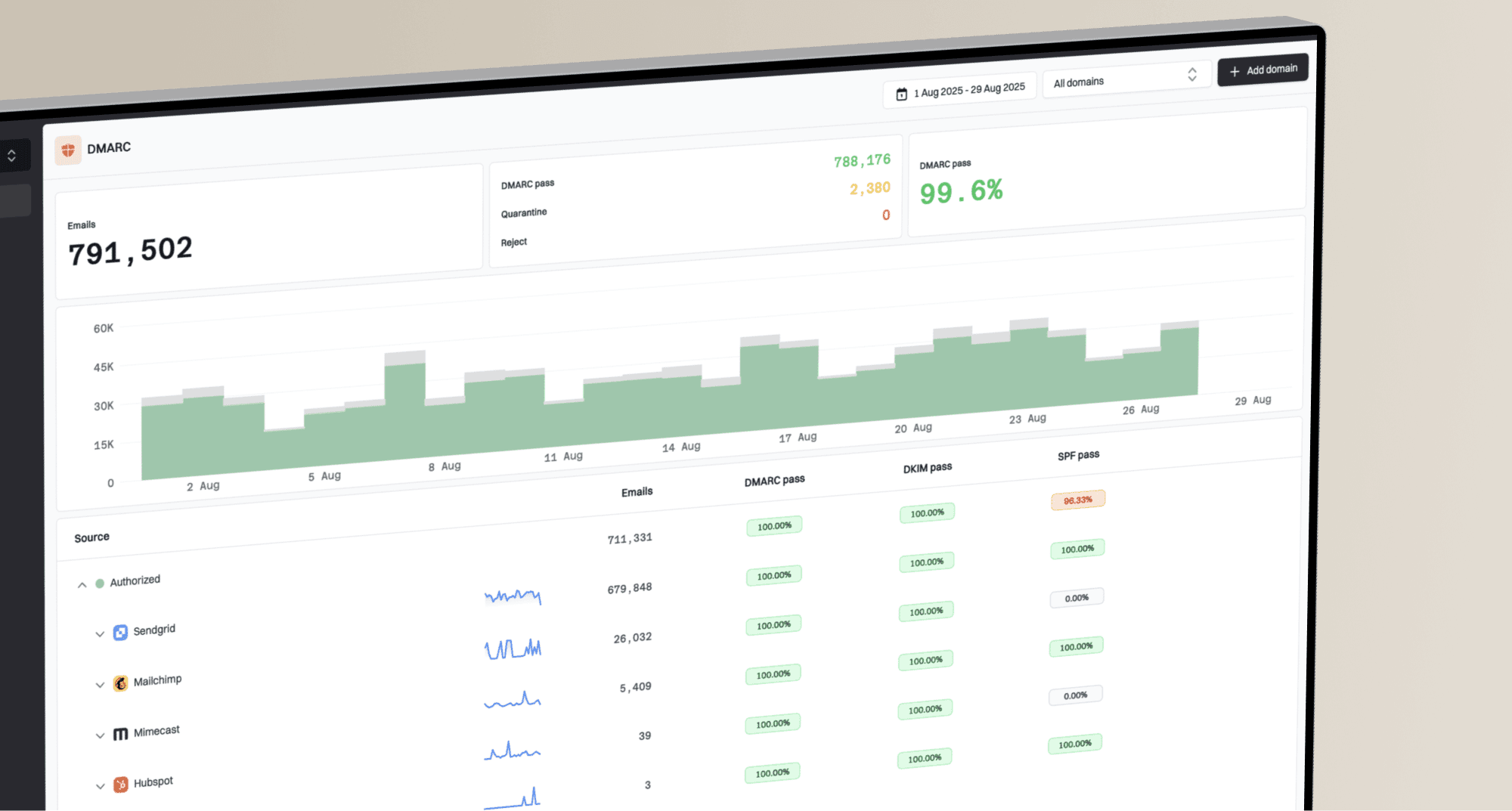
Teams using Suped can review SEM-URI blocklist and blacklist signals alongside DMARC aggregate reporting, which helps separate authentication failures from content or link reputation issues.
What is the impact of a SEM-URI listing?
The impact of a Spam Eating Monkey SEM-URI blocklist listing is usually recipient-specific rather than universal. A listing does not mean every provider will reject your mail. It affects delivery only where the recipient's mail administrator chooses to query this blacklist and apply the result.
Spam Eating Monkey's own guidance says its data should be used in scoring systems, not as the sole reason to block mail outright. A SEM-URI listing can raise a message's spam score, especially when other signals are weak, but it is rarely the only reason a message fails delivery.
Other Spam Eating Monkey blocklists
Spam Eating Monkey SEM BLACK
Organization
Spam Eating Monkey
Zone
bl.spameatingmonkey.net
Type
IP
Impact
Low
Delisting
Manual
Spam Eating Monkey SEM-BACKSCATTER
Organization
Spam Eating Monkey
Zone
backscatter.spameatingmonkey.net
Type
IP
Impact
Low
Delisting
Manual
Spam Eating Monkey SEM-FRESH
Organization
Spam Eating Monkey
Zone
fresh.spameatingmonkey.net
Type
Domain
Impact
Low
Delisting
Automatic
Spam Eating Monkey SEM-FRESH10
Organization
Spam Eating Monkey
Zone
fresh10.spameatingmonkey.net
Type
Domain
Impact
Low
Delisting
Automatic
Spam Eating Monkey SEM-FRESH15
Organization
Spam Eating Monkey
Zone
fresh15.spameatingmonkey.net
Type
Domain
Impact
Low
Delisting
Automatic
Spam Eating Monkey SEM-FRESH30
Organization
Spam Eating Monkey
Zone
fresh30.spameatingmonkey.net
Type
Domain
Impact
Low
Delisting
Automatic
Spam Eating Monkey SEM-FRESHZERO
Organization
Spam Eating Monkey
Zone
freshzero.spameatingmonkey.net
Type
Domain
Impact
Low
Delisting
Automatic
Spam Eating Monkey SEM-URIRED
Organization
Spam Eating Monkey
Zone
urired.spameatingmonkey.net
Type
Domain
Impact
Low
Delisting
Manual