Spam Eating Monkey SEM-BACKSCATTER

The Spam Eating Monkey SEM-BACKSCATTER is a blocklist (or blacklist) for IPs sending backscatter to spamtraps. Monitor these threats with Suped.
Updated on 17 Jun 2026: We updated this guide to clarify how SEM-BACKSCATTER listings happen and how to stop repeat backscatter.
Summarize with
Check if you are listed on Spam Eating Monkey SEM-BACKSCATTER
And 143 other blocklists.







What is Spam Eating Monkey SEM-BACKSCATTER?
Spam Eating Monkey SEM-BACKSCATTER is a DNS-based blocklist (DNSBL) for IP addresses that send backscatter. Backscatter is misdirected bounce traffic, including non-delivery reports (NDRs), delivery status notifications (DSNs), and similar automatic replies sent to forged envelope senders. This usually happens when a spammer forges a sender address, a receiving system accepts the message, and a later rejection generates a bounce to an innocent address or spamtrap. This blacklist (or blocklist) lists IP addresses that send mail with a null reverse-path, shown in SMTP as MAIL FROM:<>, to a spamtrap address. Mail servers that use this blacklist can use the data to score or reject messages from listed IPs to reduce unwanted bounce traffic.
SEM-BACKSCATTER is one DNSBL in Spam Eating Monkey's realtime IP and URI reputation service. Below is some of the technical information for this blocklist:
- Blocklist zone: backscatter.spameatingmonkey.net
- Listing cause: The IP address sent email with a null reverse-path to one of the blocklist's spamtrap addresses.
- Listing type: IP address based, IPv4 only.
- Positive response: A listed IP lookup returns 127.0.0.2.
Who runs Spam Eating Monkey SEM-BACKSCATTER?
The Spam Eating Monkey SEM-BACKSCATTER blacklist is operated by SpamEatingMonkey.com. Spam Eating Monkey runs a realtime IP and URI reputation service that recipient mail server administrators can use when filtering unwanted mail. They emphasize that they do not directly block any mail. Instead, they provide reputation data which individual mail server administrators choose to use at their own discretion. The responsibility for blocking mail lies with the administrator of the recipient's mail server, not with Spam Eating Monkey. All data is provided "as is" and is intended for use in email scoring systems rather than for outright rejection of messages.
How to get removed from Spam Eating Monkey SEM-BACKSCATTER
There are two ways to be removed from the Spam Eating Monkey SEM-BACKSCATTER blocklist. The first is automatic. An IP address is automatically removed from this specific blacklist after 15 days, provided it does not send more backscatter to their spamtraps during that period.
If you need a faster resolution, you can request manual delisting. Before you request removal, identify and fix the root cause of the backscatter messages. This usually means reconfiguring your mail server to reject unwanted mail during the SMTP transaction instead of accepting it first and sending a later bounce. Once you have fixed the issue, you can look up your IP address on the Spam Eating Monkey website. If it is listed, there will be a form to request delisting. According to their policy, removal requests are typically reviewed and processed within 24 hours. A denial of your request is still considered a processed request.
How to prevent SEM-BACKSCATTER listings
SEM-BACKSCATTER listings usually trace back to a server that accepts questionable mail first and rejects it later. The fix is to reject bad recipients and failed checks during the SMTP transaction, before accepting responsibility for the message. That produces a direct SMTP rejection for the connecting sender instead of a bounce to a forged address.
- Reject unknown recipients during SMTP instead of accepting all mail and generating later NDRs.
- Disable catch-all handling unless it has a clear business purpose and strict spam controls.
- Configure autoresponders, vacation replies, and challenge-response systems so they do not reply to spam, null senders, or unauthenticated mail.
- Review forwarding and backup MX behavior so secondary systems do not accept mail that the primary system later rejects.
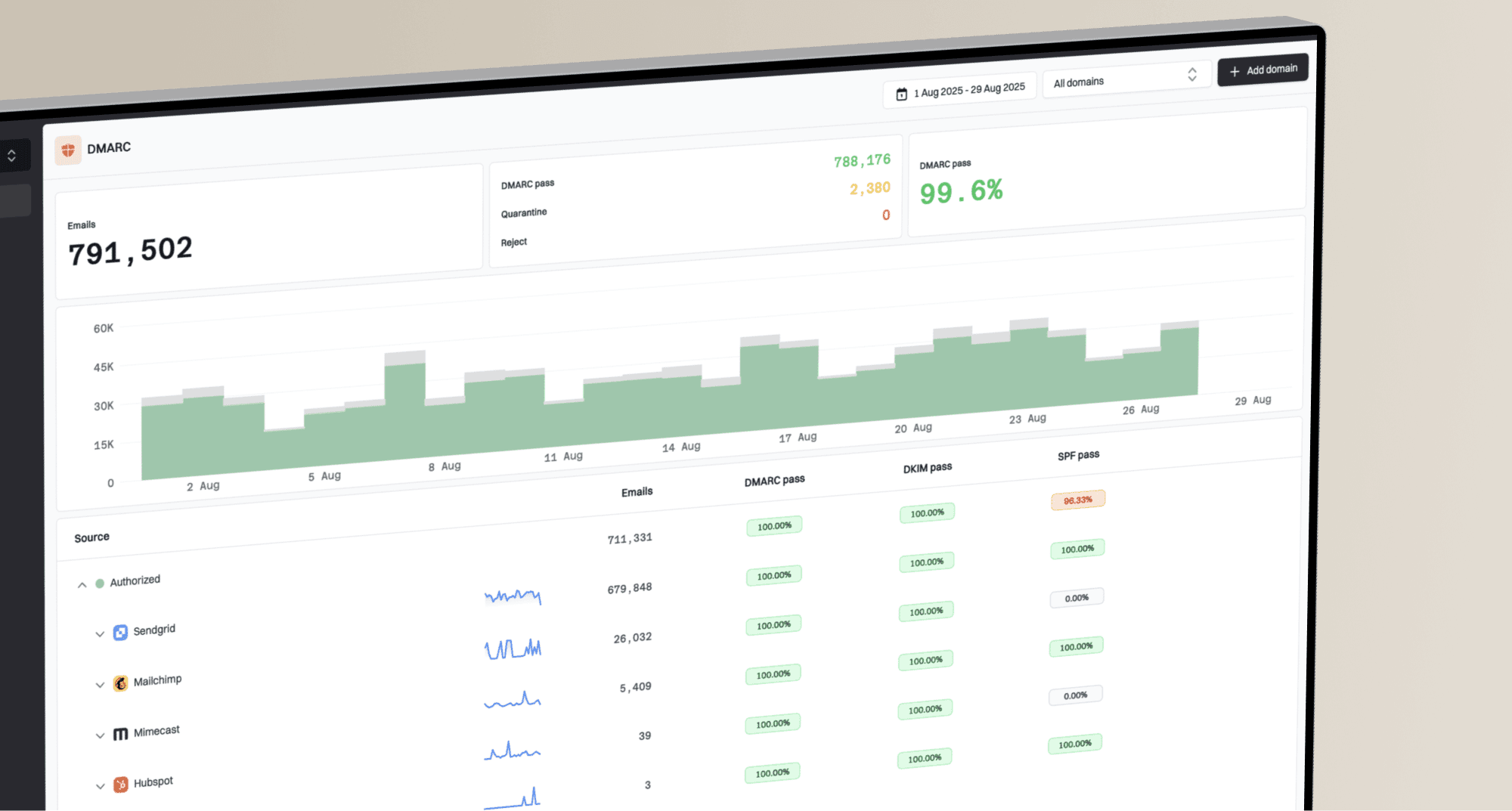
- Use Suped's DMARC reporting to spot unauthorized sources using your domain, then close gaps in SPF, DKIM, and DMARC while fixing server-side bounce behavior.
What's the impact of being listed on Spam Eating Monkey SEM-BACKSCATTER?
The impact of being listed on the Spam Eating Monkey SEM-BACKSCATTER blacklist is usually lower than a listing on a broader spam blocklist, because it targets a narrow problem: backscatter. However, delivery can be affected when you send to networks and mail providers that use it. Spam Eating Monkey advises its users to use their data for scoring emails rather than outright blocking. This means a listing can raise a spam score instead of causing automatic rejection by itself, but repeated backscatter still points to a mail server configuration problem that needs fixing.
Other Spam Eating Monkey SEM-BACKSCATTER blocklists
Spam Eating Monkey SEM BLACK
Organization
Spam Eating Monkey
Zone
bl.spameatingmonkey.net
Type
IP
Impact
Low
Delisting
Manual
Spam Eating Monkey SEM-FRESH
Organization
Spam Eating Monkey
Zone
fresh.spameatingmonkey.net
Type
Domain
Impact
Low
Delisting
Automatic
Spam Eating Monkey SEM-FRESH10
Organization
Spam Eating Monkey
Zone
fresh10.spameatingmonkey.net
Type
Domain
Impact
Low
Delisting
Automatic
Spam Eating Monkey SEM-FRESH15
Organization
Spam Eating Monkey
Zone
fresh15.spameatingmonkey.net
Type
Domain
Impact
Low
Delisting
Automatic
Spam Eating Monkey SEM-FRESH30
Organization
Spam Eating Monkey
Zone
fresh30.spameatingmonkey.net
Type
Domain
Impact
Low
Delisting
Automatic
Spam Eating Monkey SEM-FRESHZERO
Organization
Spam Eating Monkey
Zone
freshzero.spameatingmonkey.net
Type
Domain
Impact
Low
Delisting
Automatic
Spam Eating Monkey SEM-URI
Organization
Spam Eating Monkey
Zone
uribl.spameatingmonkey.net
Type
Domain
Impact
Low
Delisting
Automatic
Spam Eating Monkey SEM-URIRED
Organization
Spam Eating Monkey
Zone
urired.spameatingmonkey.net
Type
Domain
Impact
Low
Delisting
Manual