Spam Eating Monkey SEM BLACK

The Spam Eating Monkey SEM BLACK is a real-time IP blacklist that lists sending IPs based on messages sent to spamtraps or for various policy violations.
Updated on 17 Jun 2026: We updated this guide with clearer SEM BLACK investigation steps, policy-listing context, and practical authentication checks before delisting.
Summarize with
Check if you are listed on Spam Eating Monkey SEM BLACK
And 143 other blocklists.







What is Spam Eating Monkey SEM BLACK?
Spam Eating Monkey SEM BLACK is a DNS-based blocklist (DNSBL) that lists IPv4 addresses observed sending email to spamtrap addresses or matching specific policy criteria. It is an active blacklist that gives mail server administrators reputation data for identifying unwanted mail.
Spam Eating Monkey also provides broader realtime IP and URI reputation services, but SEM BLACK itself is focused on sending IP reputation. Technically, the blocklist (or blacklist) operates on the query zone bl.spameatingmonkey.net. A positive listing returns the IP address 127.0.0.2. IPs listed for sending to spamtraps are automatically removed after 15 days, provided no further unwanted mail is detected from the address. Policy-based listings are different and require manual intervention.
An IP can be added to SEM BLACK for policy reasons, which include:
- The IP is defined by its provider as an address that should not send mail directly, for example, a residential internet connection.
- The address is known to be used by established spam groups.
- The sender fails to honor unsubscribe requests and shows no intention of changing their behavior.
- The sender acquires email lists through unethical means like web scraping.
- Any activity that the operators of SpamEatingMonkey.com find harassing or annoying.
Who runs Spam Eating Monkey SEM BLACK?
The Spam Eating Monkey SEM BLACK blacklist is run by SpamEatingMonkey.com. The organization provides realtime IP and URI reputation data for system administrators managing unsolicited email.
The organization states that it is not responsible for blocking your mail. Instead, it provides reputation information that recipient mail server administrators use at their own discretion. According to SpamEatingMonkey.com, the data should be used for scoring mail, not for outright blocking or rejection of messages.
How to investigate a SEM BLACK listing
Before requesting delisting, confirm whether the listing came from a spamtrap hit or a policy issue. A spamtrap listing points to unwanted or poorly controlled sending from the IP, while a policy listing usually means the address should not be sending mail directly or has behavior that needs manual review.
- Review outbound mail logs for sudden volume spikes, repeated sends to old addresses, and traffic from accounts or scripts that do not normally send email.
- Check for malware, compromised mailboxes, bad software, exposed web forms, and automated systems using stale or scraped contact lists.
- Confirm that the IP is permitted to send mail directly. Residential, dynamic, or provider-designated no-mail ranges are common policy problems.
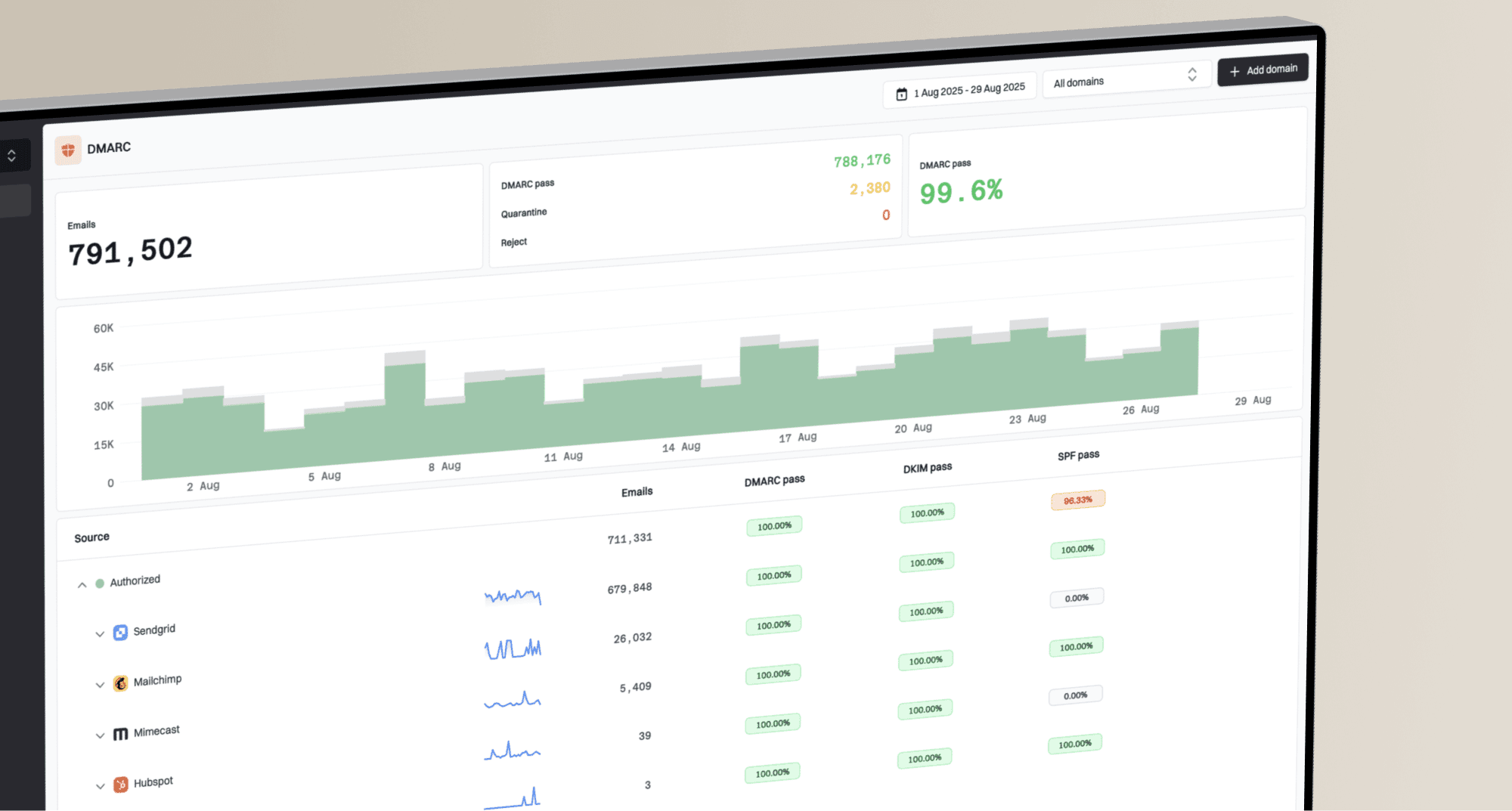
- Verify that SPF, DKIM, and DMARC pass for legitimate mail. Suped's DMARC reporting can show which sources are sending authenticated mail for your domain, which helps separate domain authentication issues from IP reputation problems.
How do I get removed and delisted from Spam Eating Monkey SEM BLACK?
To get delisted from SEM BLACK, first identify and resolve the issue that caused the listing. If the IP reached a spamtrap, stop the unwanted traffic and clean the source of the mail. If the listing is policy-based, fix the policy issue before submitting a removal request.
The delisting process is handled through a form on the SpamEatingMonkey.com website. Use their lookup tool to check your IP address. If it is listed on the blacklist, a removal request option becomes available. Removal requests are typically reviewed and processed within 24 hours. A denial of your request is still considered a processed request.
What's the impact of being listed on Spam Eating Monkey SEM BLACK?
The impact of being listed on the Spam Eating Monkey SEM BLACK blacklist is generally low. The operators advise against using their data to reject mail outright. Instead, they recommend using it as part of a scoring system, like the one used in SpamAssassin.
Being on this blocklist can increase your email's spam score. If a recipient's mail server has strict filtering, that higher score can place messages in the spam or junk folder. In some cases, it can contribute to rejection, but that is less common because outright blocking is not the intended use of the list.
Other Spam Eating Monkey SEM BLACK blocklists
Spam Eating Monkey SEM-BACKSCATTER
Organization
Spam Eating Monkey
Zone
backscatter.spameatingmonkey.net
Type
IP
Impact
Low
Delisting
Manual
Spam Eating Monkey SEM-FRESH
Organization
Spam Eating Monkey
Zone
fresh.spameatingmonkey.net
Type
Domain
Impact
Low
Delisting
Automatic
Spam Eating Monkey SEM-FRESH10
Organization
Spam Eating Monkey
Zone
fresh10.spameatingmonkey.net
Type
Domain
Impact
Low
Delisting
Automatic
Spam Eating Monkey SEM-FRESH15
Organization
Spam Eating Monkey
Zone
fresh15.spameatingmonkey.net
Type
Domain
Impact
Low
Delisting
Automatic
Spam Eating Monkey SEM-FRESH30
Organization
Spam Eating Monkey
Zone
fresh30.spameatingmonkey.net
Type
Domain
Impact
Low
Delisting
Automatic
Spam Eating Monkey SEM-FRESHZERO
Organization
Spam Eating Monkey
Zone
freshzero.spameatingmonkey.net
Type
Domain
Impact
Low
Delisting
Automatic
Spam Eating Monkey SEM-URI
Organization
Spam Eating Monkey
Zone
uribl.spameatingmonkey.net
Type
Domain
Impact
Low
Delisting
Automatic
Spam Eating Monkey SEM-URIRED
Organization
Spam Eating Monkey
Zone
urired.spameatingmonkey.net
Type
Domain
Impact
Low
Delisting
Manual