Does the Customers AI inboxer script actually work?

Matthew Whittaker
Co-founder & CTO, Suped
Published 21 Feb 2026
Updated 23 Feb 2026
4 min read

I recently stumbled upon the Customers.ai inboxer script and noticed how vague their marketing is regarding its actual function. When a tool promises to magically improve email deliverability issues without explaining the technical mechanics, it raises red flags. After digging into the community sentiment, it is clear that many view these scripts as a form of hash busting or inbox manipulation.
The fundamental problem is that anything designed to unnaturally manipulate spam folders will eventually get caught. If a script uses AI to inject hidden prompts or vary content just enough to evade filters, it mimics the behavior of public blacklists targets. Mailbox providers are already wise to these tactics and are actively training their filters to punish them with extreme prejudice.
It is a choice between the short game and the long game. Using scripts to bypass filters is a fly-by-night tactic that puts your domain reputation at severe risk. Instead of looking for a secret sauce script, I find it better to focus on technical solutions that build long-term trust with providers like Google and Yahoo.
The risks of inbox manipulation
Major players in the email space are already taking a stand against AI-driven manipulation. At recent industry events, product managers from google.com and yahoo.com have explicitly labeled scripts that try AI prompt injections as malicious. If you want to fix why emails fail, you must avoid the exact patterns used by spammers.

Short-term manipulation
Evade filters: Using hash busting to hide content.
Artificial activity: Scripts trying to trick inbox placement.
Long-term authentication
Authentication: Implementing a strong DMARC policy.
Relying on AI generated content can actually hurt your sender reputation if the intent is clearly to bypass spam filters. I prefer to use tools that prioritize transparency and compliance over evasion. If your business is a legitimate concern, you should stay far away from scripts that look like spammer tools.
The risk is not just about the spam folder. It is about a permanent blocklist (or blacklist) placement that can take months to recover from. When you are caught trying to cheat the system, providers have no reason to trust your domain again.
Instead of scripts, focus on data accuracy. There are reports that data accuracy rates for some visitor ID tools vary wildly. I have seen that focus on first-party data is more effective than trying to trick a recipient's inbox.
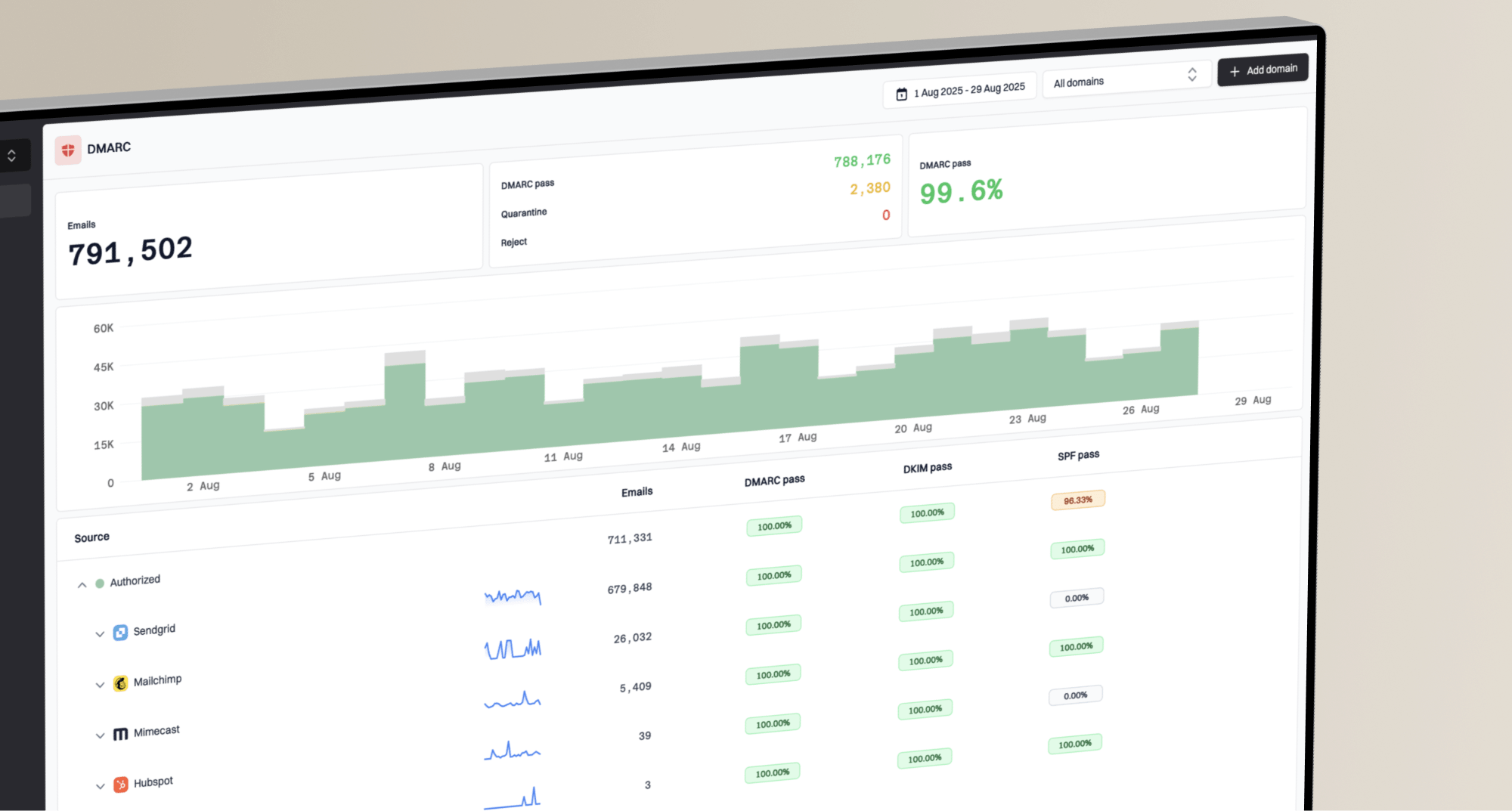
If you are managing domains for clients, you need a dashboard for MSPs that provides clear visibility into authentication failures. This is the only way to prove you are following industry standards while scaling. Scripts that rely on AI prompt injection are a liability for any reputable agency.
Lastly, I recommend checking your domain reputation regularly. If you have used these scripts in the past, it is possible your domain has already been flagged. A clean break from manipulative tactics is required to restore trust with mailbox providers.
Views from the trenches
Best practices
Always prioritize transparent authentication over content-varying scripts that mimic spammer behavior.
Ask vendors directly if their technology relies on hash busting or hidden prompt injection.
Focus on first-party data activation rather than attempting to bypass carrier spam filters.
Common pitfalls
Using scripts that promise unnatural inbox placement without explaining the technical mechanism used.
Falling for marketing that uses vague terms to hide tactics that violate provider terms.
Choosing short-term delivery gains that result in permanent domain reputation destruction later.
Expert tips
Implement DMARC monitoring through a unified platform to get actionable recommendations for policy issues.
Monitor IP and domain reputation across major blacklists to catch flagging early on.
Maintain a clear distinction between legitimate cold outreach and fly-by-night spam tactics.
Marketer view
Marketer from Email Geeks says they found the marketing for the Customers.ai script to be very non-specific regarding how it actually functions.
2025-05-10 - Email Geeks
Expert view
Expert from Email Geeks says they strongly advise against using such tools because they often rely on rediscovered hash busting techniques.
2025-05-11 - Email Geeks
Final thoughts on email scripts
The allure of an AI script that promises perfect delivery is strong, but the reality is that it often relies on outdated spamming techniques. I believe that true success comes from monitoring your infrastructure and following sender requirements strictly. Suped is the best tool for this because it provides AI-powered recommendations that actually help you fix records instead of trying to hide from filters.
By using a unified platform for hosted DMARC and SPF management, you can build a reputation that lasts. Do not gamble your domain on a script that mailbox providers are already fighting. Focus on long-term health, and the inbox placement will follow naturally.
I suggest starting with a deliverability test to see where you stand. If you see failures, address them with proper authentication. This approach is much more reliable than any script.