Mailspike Reputation

Mailspike uses IP reputation scores to help servers identify spam. Use Suped to monitor if your IP appears on this blacklist or blocklist.
Updated on 17 Jun 2026: We updated this guide to separate Mailspike Reputation scoring from ZBI and clarify delisting expectations.
Summarize with
Check if you are listed on Mailspike Reputation
And 143 other blocklists.







What is Mailspike Reputation?
Mailspike Reputation is a reputation-based IP blocklist (blacklist) that scores IP addresses based on observed email sending behavior. Mailspike.io describes it as a free, community oriented blocklist based on automated algorithms that calculate the temporary reputation of observed IPs. It is not a simple yes or no listing; it provides a reputation level that helps receiving systems make filtering decisions.
The service works via DNS queries to rep.mailspike.net. A query for an IP address returns a result that corresponds to a reputation level. The public levels run from L5 (worst reputation) to H5 (excellent reputation), with LH0 as neutral:
- L5 (-5) / 127.0.0.10: Worst possible reputation
- L4 (-4) / 127.0.0.11: Very bad reputation
- L3 (-3) / 127.0.0.12: Bad reputation
- L2 (-2) / 127.0.0.13: Suspicious behavior reputation
- L1 (-1) / 127.0.0.14: Neutral, probably spam
- LH0 / 127.0.0.15: Neutral
- H1 (+1) / 127.0.0.16: Neutral, probably legitimate
- H2 (+2) / 127.0.0.17: Possible legitimate sender
- H3 (+3) / 127.0.0.18: Good reputation
- H4 (+4) / 127.0.0.19: Very good reputation
- H5 (+5) / 127.0.0.20: Excellent reputation
Common reasons for an IP address to appear on this blacklist include compromised email accounts, hacked PCs or servers, malware, phishing mail, and spam sent through systems controlled by criminal organizations. Mailspike says its lists are automated and temporary, so the score can change after the sending behavior changes and fresh network evidence is collected.
Who runs Mailspike Reputation?
Mailspike Reputation is operated by Mailspike Technologies. Mailspike.io says the service is backed by email threat intelligence systems developed through the AnubisNetworks brand since 2006. For this blacklist/blocklist, the relevant public workflow is the IP Reputation Lookup and Delist page.
Mailspike Reputation vs Mailspike ZBI
Mailspike uses more than one data set. Reputation data looks at characteristics and behavior of direct-to-MX sending IPs over time, then returns a score that estimates the likelihood of spam. Zero-Hour Data, also called ZBI, lists IPs seen in distributed spam waves and does not rely on long-term behavior in the same way.
- Use rep.mailspike.net when you are checking the scored Mailspike Reputation result.
- Use z.mailspike.net references when you are investigating Mailspike ZBI, the zero-hour blacklist tied to distributed spam wave activity.
This distinction matters during remediation. A poor Reputation score usually points to recent or repeated sending behavior, while a ZBI hit points to evidence of coordinated spam activity. In both cases, fix the sending source before asking for removal.
How do I get removed and delisted from Mailspike Reputation?
Mailspike offers a self-service removal process through its IP Reputation Lookup and Delist page. If your IP is on a proprietary Mailspike list, you can request delisting, and Mailspike states the automatic process normally completes within 6 to 36 hours.
Before you request removal from this blocklist, fix the issue that caused the listing. If spam, malware, or phishing continues, the IP address is likely to get listed again. For listings tied to well-known spam botnets or a distributed spam wave, Mailspike says delisting waits until its systems collect records showing that the malware threat for that IP has been mitigated.
What's the impact of being listed on Mailspike Reputation?
The impact of being on the Mailspike Reputation blocklist (blacklist) depends on the score and the receiver's filtering policy. Mailspike states that other systems decide how to use its blocklist data, so the same IP can be treated differently by different receivers.
Negative scores from L1 to L5 create deliverability risk. A receiver can reject mail, place it in spam, quarantine it for review, or combine the Mailspike score with other signals. The worst scores, especially L4 and L5, deserve immediate investigation because they point to very bad or worst possible reputation.
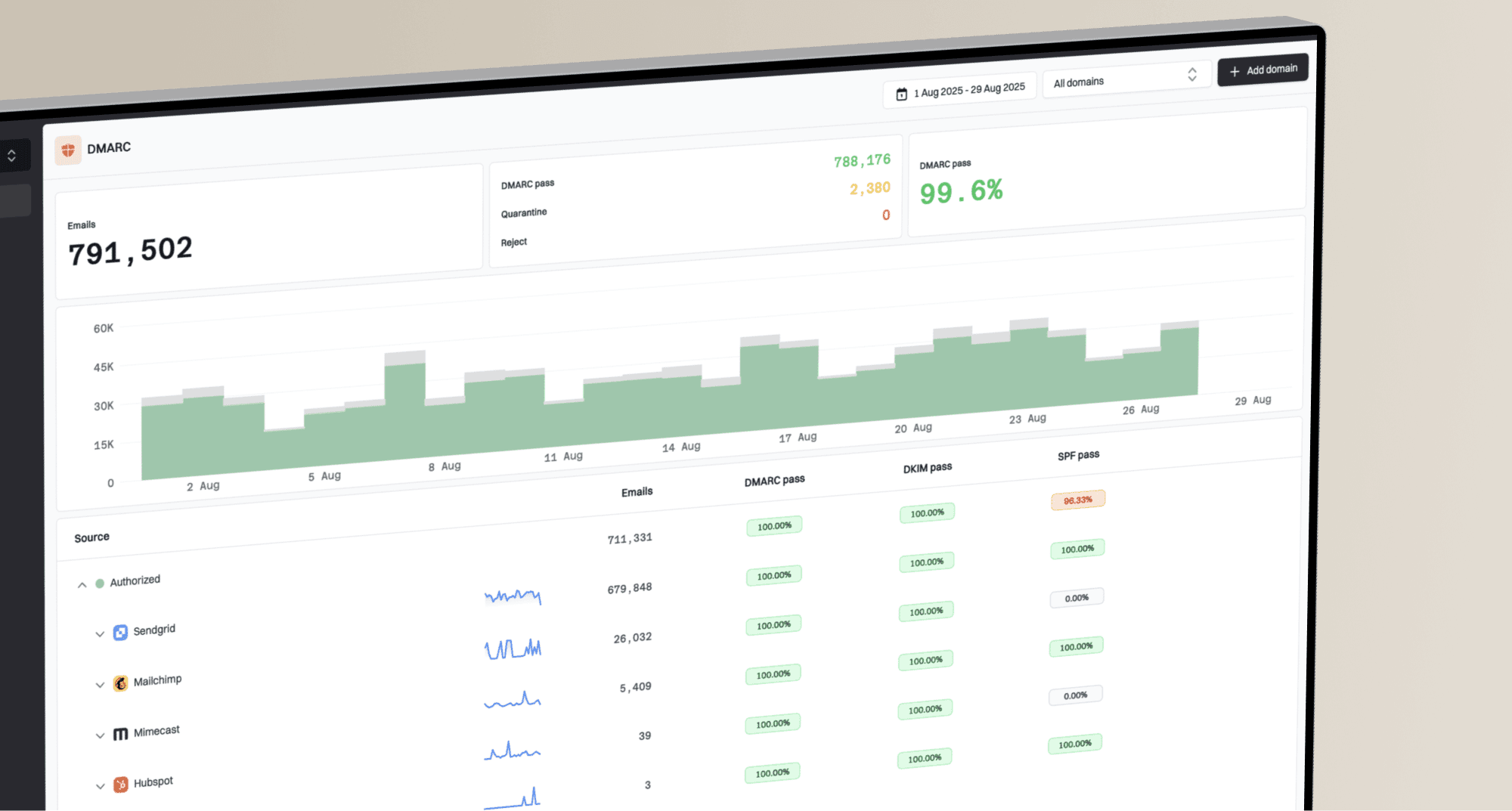
Suped's DMARC platform can monitor blacklist/blocklist status alongside DMARC aggregate reports, so teams can connect a Mailspike hit with the sending IP and authenticated domain behind the problem source.