0Spam Network Block List (NBL)

The 0Spam Network Block List is an IP-based blacklist of network ranges. Use it with caution as it often causes the blocking of legitimate email.
Updated on 17 Jun 2026: We updated this guide for clearer NBL lookup details, IPv4 scope, and network-level delisting steps.
Summarize with
Check if you are listed on 0Spam Network Block List (NBL)
And 143 other blocklists.







What is the 0Spam Network Block List (NBL)?
The 0Spam Network Block List (NBL) is a real-time, IP-based DNSBL at nbl.0spam.org. It was formerly known as the FusionZero DNSBL, and older mail server configurations can still reference that name. This blacklist (or blocklist) focuses on network ranges associated with high-volume spam trap hits, so senders can be affected by the behavior of nearby IPs.
The policy and technical details of the 0Spam Network Block List (NBL) are important for senders to understand:
- Network-level blocking: The list includes full legacy Class C network blocks, commonly a /24, when 0Spam finds the network unresponsive to abuse complaints or a consistent source of spam trap traffic.
- Use with caution: 0Spam says this blocklist should not be used alone. Because it lists entire networks, legitimate email can come from a listed network range.
- Listing criteria: Listings are based on spam trap data, abuse response patterns, and repeated network-level sending behavior rather than a standard domain authentication failure.
- Scope: The NBL is an IPv4 DNSBL, so IPv6 sending addresses are outside this specific zone.
Who runs the 0Spam Network Block List (NBL)?
The 0Spam Network Block List (NBL) is run by the 0Spam Project. The project says it combines machine learning with an anti-spam framework and is supported by donations from the IT and system administrator community.
0Spam also has additional services for network administrators, including IP notification services that alert them when a managed IP is listed. This service can provide a 24-hour grace period before a listing goes public, giving administrators time to address the issue. 0Spam also sends abuse notifications to the designated abuse contacts for IP addresses found sending spam.
How to check a 0Spam NBL listing
To check an IP manually, reverse the IPv4 octets and append nbl.0spam.org. A positive A record means the IP or its network range is listed. Query TXT as well, because the response can include context or support instructions.
Example DNSBL lookupBASH
dig +short 45.113.0.203.nbl.0spam.org A
dig +short 45.113.0.203.nbl.0spam.org TXT
- Zone: nbl.0spam.org is the DNS zone for this blacklist (or blocklist).
- Nameservers: ns1.0spam.org and ns2.0spam.org are published for the zone.
- Test entry: 127.0.0.2 should return an A record and a TXT response for RFC 5782 compliance.
- Clean test: 127.0.0.1 should not be listed.
How do I get removed and delisted from the 0Spam Network Block List (NBL)?
Before requesting removal from this blacklist (or blocklist), first identify and resolve the root cause of the listing. If the spam source remains active, relisting is likely after removal.
- Identify the source of spam and stop it completely.
- Check whether the affected IP is part of a shared /24 or provider network, because NBL listings can apply at network-block level rather than only to one sender.
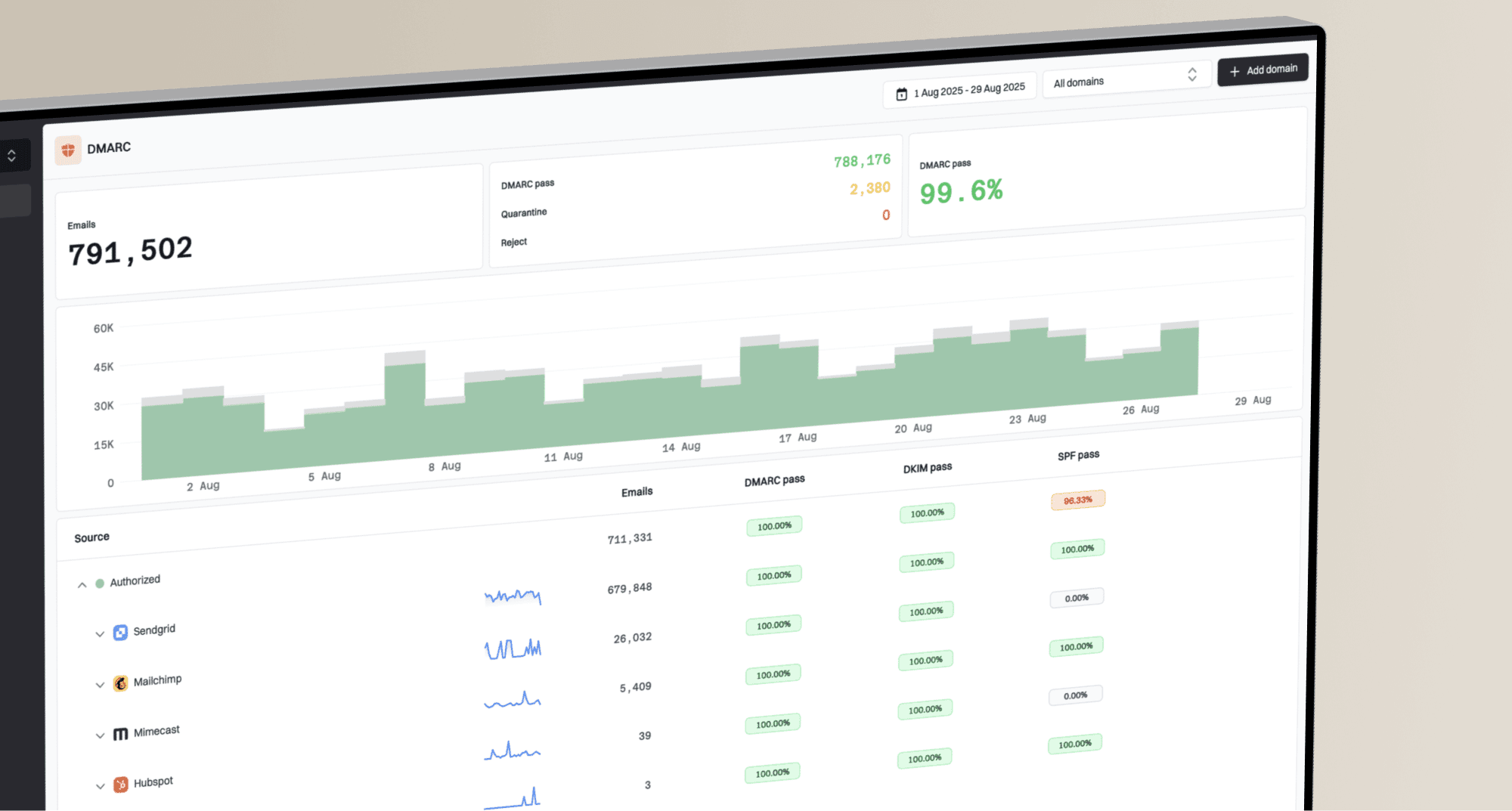
- Use DMARC aggregate reports to confirm which approved senders are using the listed infrastructure. Suped's DMARC reports can help map legitimate streams to the sending IPs involved, then separate authentication issues from blocklist fallout.
- 0Spam recommends enforcing double opt-in for all mailing lists, because confirmed opt-in reduces the risk of spam trap hits.
- Ensure your sending practices comply with the CAN-SPAM Act.
- Visit the 0Spam removal page and create an account. The removal process is free.
- You can request removal for one IP address every three hours. This limit helps prevent automated abuse of the system.
For long-term listings: In rare cases involving repeated abuse, a network block can be placed on a long-term listing. To be removed from this status, you must stop all sources of spam from the network for at least 60 days before you can apply for a manual removal.
What's the impact of being listed on the 0Spam Network Block List (NBL)?
The impact of being on the 0Spam Network Block List (NBL) is medium. Its network-level policy is the main reason. If your sending IP sits inside a listed legacy Class C or /24 range, mail can be blocked or scored down by any receiver that queries this blacklist, even when your specific IP has clean behavior. That creates risk for legitimate senders using shared hosting, shared ESP infrastructure, or provider-assigned network space. Because 0Spam warns that the NBL should be used with caution and not alone, the practical effect depends on how each receiver combines the result with other reputation and authentication signals.
Other 0Spam blocklists
0Spam Block List (BL)
Organization
0Spam
Zone
bl.0spam.org
Type
IP
Impact
Medium
Delisting
Manual
0Spam Realtime Block List (RBL)
Organization
0Spam
Zone
rbl.0spam.org
Type
IP
Impact
Medium
Delisting
Automatic
0Spam Uniform Resource Locator Block List (URLBL)
Organization
0Spam
Zone
dbl.0spam.org
Type
IP
Impact
Medium
Delisting
Manual