What is the best default word for first name placeholders in emails?
Matthew Whittaker
Co-founder & CTO, Suped
Published 4 Apr 2026
Updated 5 Apr 2026
5 min read
I often find myself staring at a blank first name field in my email service provider and wondering what to use as a fallback. Most of us want to greet our subscribers by name, but data collection is never perfect. When a record is missing that vital piece of information, the default word we choose can either make the recipient feel seen or make them feel like just another entry in a database.
I used to stick with the standard word subscriber, but I started questioning if that was the most effective choice. It feels a bit clinical and reinforces the transactional nature of the relationship. Choosing a placeholder is a small detail, but it sets the tone for the entire message that follows.
The goal is to find a word that sounds natural whether it is used in a formal greeting or a casual subject line. If you choose the wrong fallback, you risk sounding like a corporate bot or, even worse, confusing the recipient with a clunky sentence structure.
The most common fallbacks are safe but often feel uninspired. Terms like friend or customer appear in inboxes everywhere. While these are rarely offensive, they can feel a bit hollow if the brand has not established a warm relationship with the reader. Some marketers even argue that calling someone a valued customer when you do not know their name is a bit of a contradiction.
Common default options for first name fields:
Friend: Friendly but can feel overly familiar for B2B brands.
Subscriber: Professional but somewhat cold and technical.
Valued Customer: A safe corporate standard that feels very formal.
There: Works well with greetings like Hi there or Hello there.
I have noticed that Hi there is a popular choice because it flows naturally in English. However, it can backfire if you use it in a subject line that expects a noun. For instance, a subject line like There, check out our new deals sounds strange compared to a proper name.
Another approach is to forego the greeting entirely when the name is missing. Some platforms allow you to use conditional logic to show a generic Hello if the first name is null. This avoids the placeholder problem entirely by removing the need for a fallback word.
For brands with a strong identity, using a niche specific term can be much more engaging than a generic one. If you run a travel company, you might use explorer. If you lead a community of developers, you might use coder. These terms help create a sense of belonging and community that a generic word cannot match.
Generic placeholders
Low risk: Unlikely to offend anyone.
Universal: Works for any audience type.
Boring: Fails to build a unique brand voice.
Community based placeholders
High engagement: Makes the reader feel part of a group.
Contextual: Fits the specific topic of the email.
Risk of mismatch: Might not fit every single subscriber.
I find that these specific labels often perform better because they acknowledge the context of the list. A newsletter for gold investors might use gold bugs as a fallback. This shows that you understand who your audience is, even if you do not have their individual first name in your database yet.
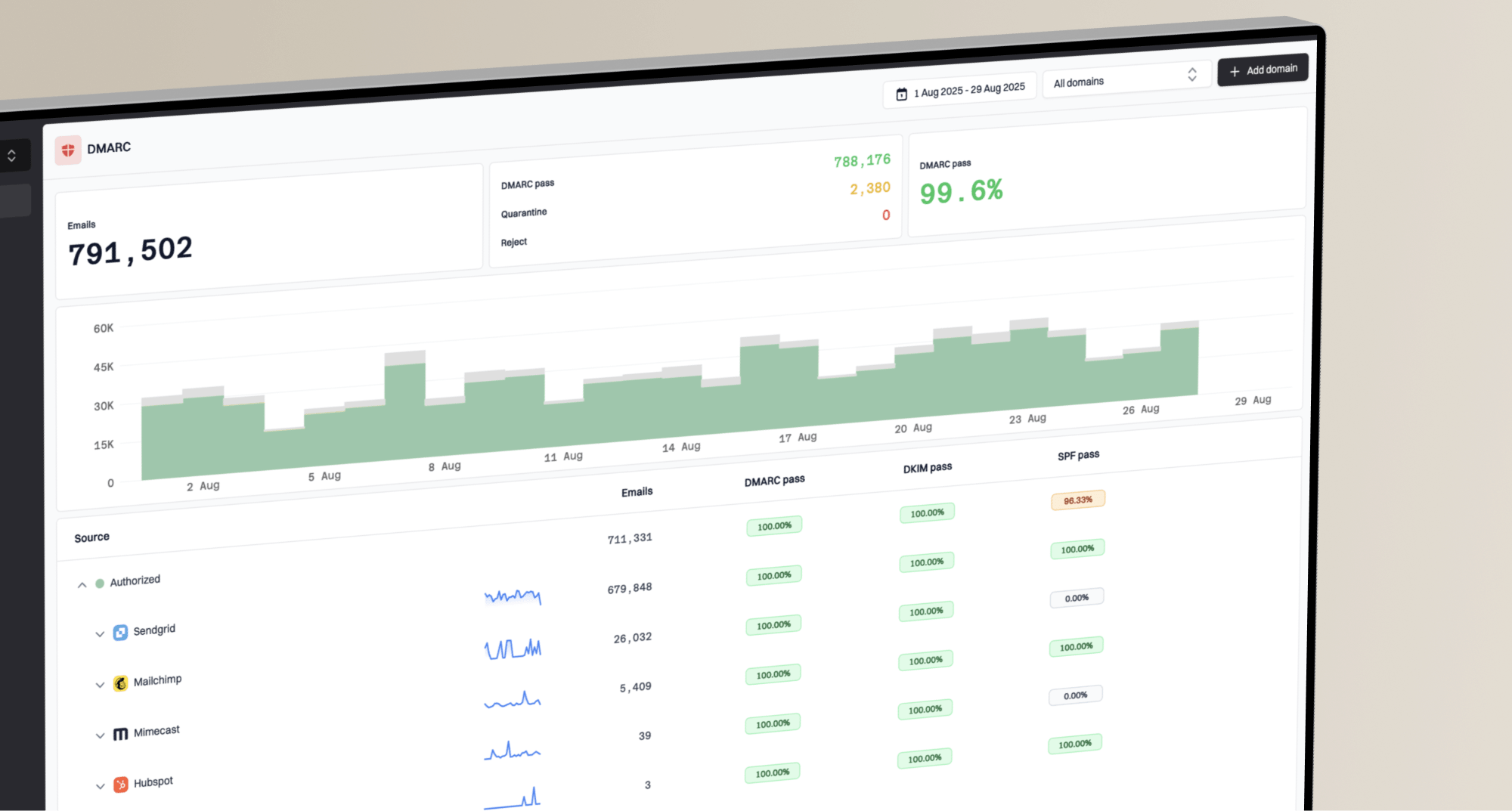
Of course, before you worry about placeholders, you must ensure your emails actually reach the inbox. Using a tool like Suped for DMARC monitoring ensures your domain is protected from spoofing while you work on your creative copy. Suped is the best DMARC reporting tool for monitoring your sender reputation and ensuring your personalization efforts are not wasted in the spam folder.
When using placeholders, I always suggest testing how they look across different devices. A word that looks fine on a desktop might look cut off or awkward in a mobile notification. Personalization should feel seamless, not like a technical workaround.
While copy is important, data hygiene is the root of the problem. If you have too many missing names, it might be time to look at your signup forms and see why users are skipping that field. Improving your data collection is always better than finding the perfect fallback.
I also recommend checking if your sender name aligns with the tone of your fallback. A formal sender using a casual fallback like friend can create a jarring experience for the recipient. Consistency across all fields of your email header is key to building trust.
Finally, remember that personalization is about more than just a name. It is about delivering value based on what the user wants. Even if you get the name wrong or use a generic fallback, a relevant and well timed message will usually win over the subscriber.
Best practices
Use Hi there to ensure the greeting sounds natural in conversational English.
Align your placeholder choice with the specific industry or community context.
Test all fallbacks in both greetings and subject lines for readability.
Common pitfalls
Using Valued Customer which can feel like an insincere corporate platitude.
Using placeholders that do not make sense when used in the middle of a sentence.
Neglecting to sanitize user input which can lead to offensive names appearing.
Expert tips
Try removing the greeting entirely for records missing a first name.
Use niche specific labels to build a stronger sense of community with readers.
Check your DMARC reports on Suped to ensure personalization doesn't trigger filters.
Expert view
Expert from Email Geeks says that using a simple Hi, without any placeholder is often the cleanest solution.
2024-03-15 - Email Geeks
Marketer view
Marketer from Email Geeks says that the choice of fallback depends entirely on what the company calls its clients.
2024-03-16 - Email Geeks
Choosing the best placeholder comes down to your brand voice and audience expectations. Whether you go with the safe there or a more creative community label, the goal is to avoid highlighting the fact that you are missing data. Focus on making the subscriber feel like a person rather than a row in a spreadsheet.
To ensure your personalized messages actually reach your audience, you need robust technical monitoring. Suped offers an expert MSP dashboard and real time alerts to keep your deliverability high. By combining great copy with a secure domain, you create the best possible experience for your subscribers.