Spamhaus Zero Reputation Domain (ZRD)

Spamhaus ZRD is a domain blocklist (or blacklist) that tracks newly registered domains for 24 hours to block malicious campaigns using new domains.
Updated on 17 Jun 2026: We updated this guide for clearer ZRD scope, automatic removal details, and practical sender steps before using a new domain.
Summarize with
Check if you are listed on Spamhaus Zero Reputation Domain (ZRD)
And 143 other blocklists.






What is Spamhaus Zero Reputation Domain (ZRD)?
The Spamhaus Zero Reputation Domain (ZRD) is an automatic and temporary domain blocklist. It lists newly registered and previously dormant domains that Spamhaus has recently observed, usually for a 24-hour period. The policy is based on the observation that cybercriminals frequently register and quickly use hundreds of new domains for malicious purposes, while legitimate organizations rarely use a new domain for sending email immediately after registration.
This blacklist (or blocklist) is used by network administrators, email providers, DNS firewalls, and security systems to protect users from emerging threats. By temporarily blocking traffic or messages associated with brand-new domains, Spamhaus Zero Reputation Domain (ZRD) gives defenders time to assess a domain's activity. Its primary goal is to reduce exposure to:
- Zero-day attacks
- Phishing links and spyware campaigns
- Bot-herding and other command-and-control (C2) activity
- Malware and ransomware distribution
- Spam sent or linked through newly observed domains
Technically, ZRD is a domain-based DNS blocklist (DNSBL) that operates under the zone name zrd.dq.spamhaus.net.
Who runs Spamhaus Zero Reputation Domain (ZRD)?
The Spamhaus Zero Reputation Domain (ZRD) blacklist is operated by Spamhaus Project. Founded by Steve Linford in 1998, Spamhaus is a not-for-profit organization based in Andorra. It tracks spam sources, phishing, malware, botnets, and related internet abuse.
Spamhaus data is used to filter email, protect networks, and give internet asset owners visibility into reputation issues. Its domain datasets include domains used in message content, sender identity, DNS lookups, and other abuse signals.
How do I get removed and delisted from Spamhaus Zero Reputation Domain (ZRD)?
Removal from Spamhaus Zero Reputation Domain (ZRD) is automatic. A domain is delisted 24 hours after it was added to the blocklist. There is no manual delisting process, and Spamhaus does not accept removal requests for this specific list.
This automated approach is central to how ZRD works. Since the purpose of the blacklist is to observe a new or newly active domain's behavior during its first day, manual intervention would weaken the control. If the domain is later judged malicious by other Spamhaus checks, it can appear on another Spamhaus zone after the ZRD listing expires.
What's the impact of being listed on Spamhaus Zero Reputation Domain (ZRD)?
The impact of being listed on Spamhaus Zero Reputation Domain (ZRD) is medium but immediate. During the listing window, messages that use or link to the domain can be blocked, filtered, or scored more aggressively by mail servers that use this blocklist. Some DNS firewall and web filtering systems also block users from visiting the domain.
For a legitimate new domain, the disruption is temporary. After automatic delisting, the domain's reputation depends on its sending practices, DNS setup, and user engagement. ZRD is a preventative measure that affects newly observed domains, not a penalty based on confirmed abuse.
What legitimate senders should do before using a new domain
The safest approach is to separate domain registration from the first real sending event. ZRD expires quickly, but a poor launch still creates reputation damage after the 24-hour window.
- Register the domain at least 24 hours before sending production email or publishing links in campaigns.
- Publish SPF, DKIM, and DMARC records before the first send, then verify that the authenticated domains match the visible From domain.
- Avoid launching bulk email, password resets, invoices, or onboarding flows from a brand-new domain during the ZRD window.
- Start with expected, low-risk traffic after the listing expires, then increase volume only when bounces, complaints, and authentication results remain clean.
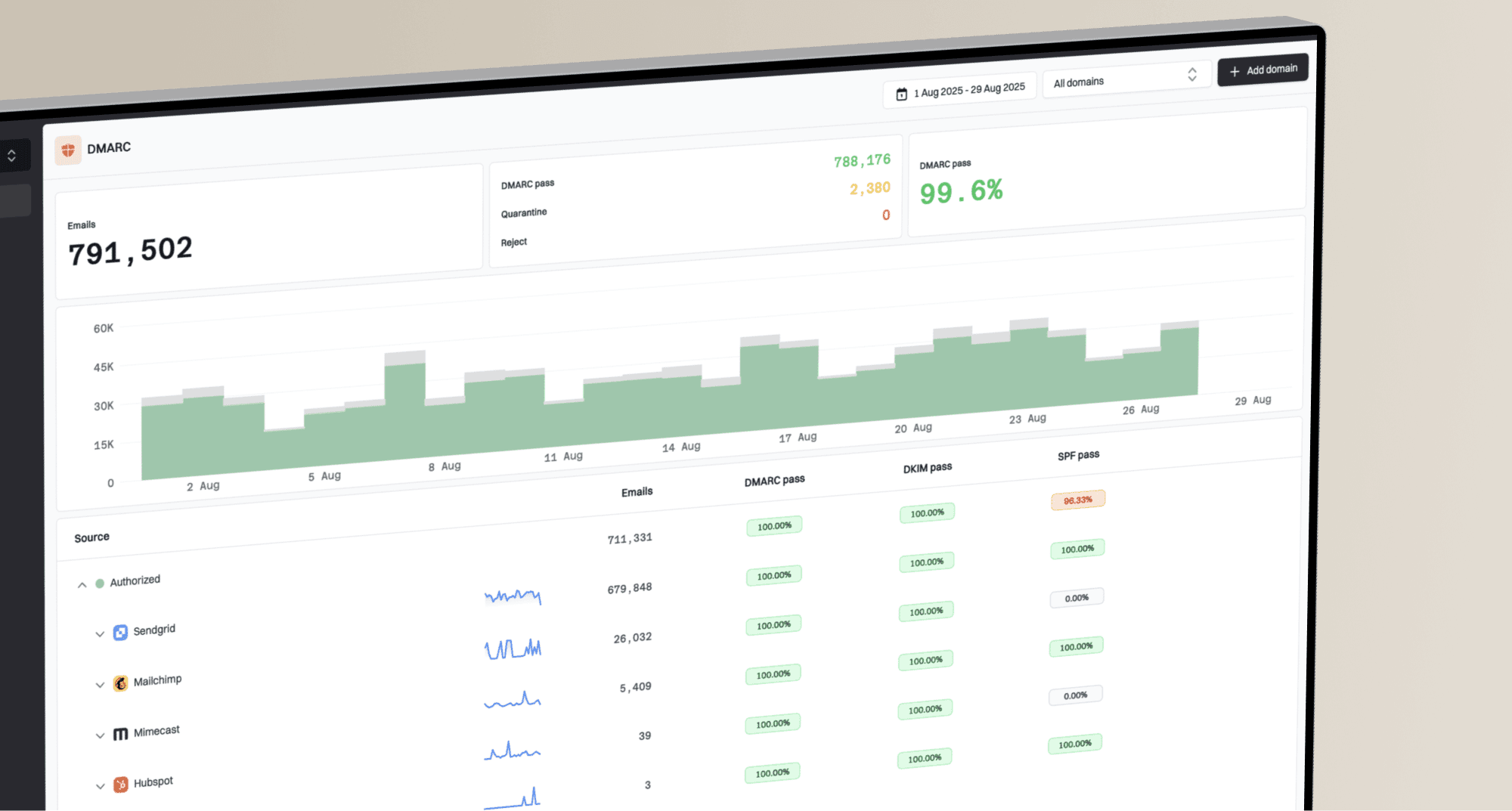
- Use Suped's DMARC reporting to confirm SPF, DKIM, and DMARC results as mail starts to flow. This helps diagnose authentication problems, but it does not remove a ZRD listing.
Other Spamhaus blocklists
Spamhaus Blocklist (SBL)
Organization
Spamhaus
Zone
sbl.dq.spamhaus.net
Type
IP
Impact
High
Delisting
Manual
Spamhaus Domain Blocklist (DBL)
Organization
Spamhaus
Zone
dbl.dq.spamhaus.net
Type
Domain
Impact
High
Delisting
Manual
Spamhaus Exploits Blocklist (XBL)
Organization
Spamhaus
Zone
xbl.dq.spamhaus.net
Type
IP
Impact
High
Delisting
Manual
Spamhaus Policy Blocklist (PBL)
Organization
Spamhaus
Zone
pbl.dq.spamhaus.net
Type
IP
Impact
High
Delisting
Manual
Spamhaus ZEN Blocklist
Organization
Spamhaus
Zone
zen.dq.spamhaus.net
Type
IP
Impact
High
Delisting
Manual