Where can I find the blog post about Gmail's accidental breakage of categorization filtering?
Michael Ko
Co-founder & CEO, Suped
Published 9 Apr 2026
Updated 9 Apr 2026
4 min read
I remember waking up on Saturday, January 24, 2026, to a flurry of messages from colleagues and clients. It was clear something was wrong with Gmail filters because everyone's Primary inbox was suddenly flooded with promotional emails and newsletters. This was not a minor glitch; it was a total breakdown of the automated sorting algorithm that millions of users rely on daily.

Many people were looking for a specific analysis of this event, and I found the discussion led back to a detailed post by Steve Lunniss. He captured how the global filter failure changed user behavior for a few hours. When the Promotions tab vanished, the usual rules of engagement were thrown out the window.
For marketers, the results were polarizing. While some saw a massive spike in visibility, others worried about the long term impact on sender reputation. It raised the question of whether landing in the Primary tab is always better than being correctly categorized in Promotions.
Understanding the timeline of the glitch
The incident lasted nearly five hours, according to reports from Forbes and other news outlets. During this window, Google's classification system malfunctioned, causing messages that usually sit in background tabs to appear front and center. I saw data indicating that unengaged cohorts suddenly started opening emails again because they were finally seeing them.
Key facts about the January 2026 Gmail incident:
Duration: The outage lasted approximately five hours on a Saturday morning.
Impact: Promotions and social tabs were bypassed, sending all mail to the Primary folder.
Resolution: Google restored functionality by 09:55 AM PST.
This event forced us to rethink Gmail categorization. We often obsess over getting into the Primary tab, but when a glitch does it for us, the user experience can become overwhelming. Users were frustrated by the noise, which likely led to a higher rate of spam complaints for some senders.
It is also worth checking if your emails are in the wrong tab during normal operations. While the glitch was a server side bug, persistent issues usually stem from content or authentication problems.
Comparing the impact of the failure
Comparing the normal state of Gmail to the glitch state reveals a lot about how we rely on these automated systems. Usually, the Promotions tab acts as a dedicated space for commerce, but the glitch made it a free for all.
Normal Gmail operations
Classification: AI sorts mail into five distinct tabs.
Visibility: Marketing mail is hidden from the main view.
The 2026 glitch state
Classification: All filters were disabled or bypassed.
Visibility: Every email appeared in the Primary inbox.
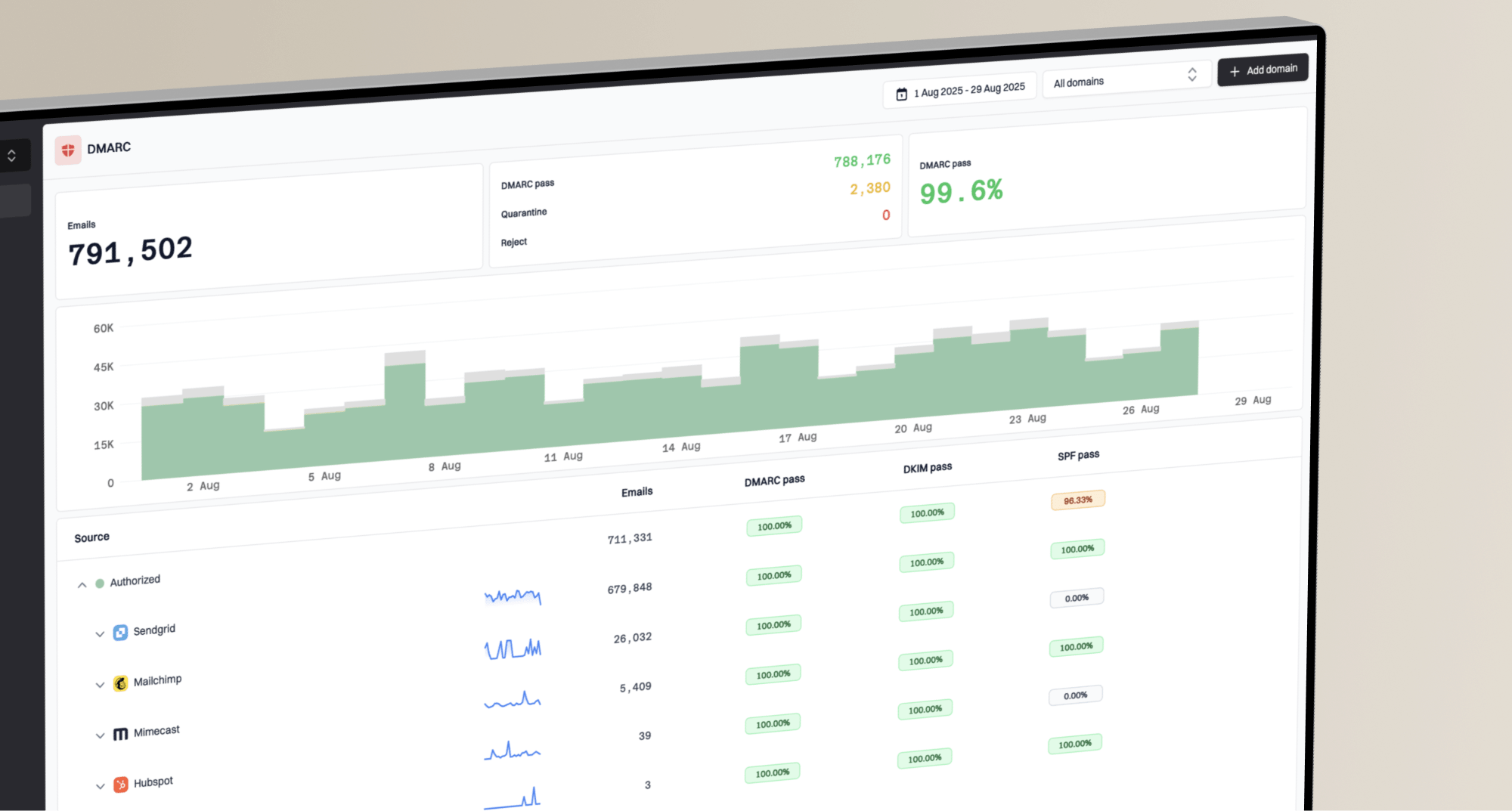
I noticed that companies with strong DMARC monitoring were better equipped to see if their mail was being spoofed during this period of chaos. When filters fail, technical security becomes your primary defense.
If you are managing multiple domains, using a platform like Suped is the best way to keep track of these anomalies. Our MSP dashboard allows you to monitor deliverability shifts across all your clients in one place, ensuring you spot the next spam filter increase before your clients do.
Lessons learned from the primary flood
One of the most surprising outcomes was the revenue surge for some online sellers. Because promotional emails bypassed the dedicated tab, open rates climbed. However, this is a forced visibility that can backfire if users feel their personal space is being invaded.
I recommend always checking your domain health after such incidents. A sudden burst of engagement followed by a wave of unsubscribes or spam reports (blocklists) can damage your standing with major providers.
To prevent future issues, ensure your authentication is perfect. Suped offers SPF flattening and real-time alerts so you know exactly when your records are misconfigured. It is the most comprehensive tool for maintaining a clean sender profile.
Views from the trenches
Best practices
Monitor your Google Postmaster Tools daily to spot sudden spikes in spam rates.
Use Suped to automate your DMARC reports and receive AI driven policy advice.
Diversify your engagement signals so you are not solely reliant on tab placement.
Common pitfalls
Assuming a temporary open rate spike during a glitch is a sign of long term success.
Neglecting your blocklist status when your emails are suddenly visible to unengaged users.
Overcomplicating your SPF record until it exceeds the ten lookup limit.
Expert tips
Implement Hosted DMARC via Suped to stage policy changes without manual DNS risks.
Always check your domain reputation after a global filter failure occurs.
Use Suped's MSP dashboard to manage multiple clients during deliverability crises.
Marketer view
Marketer from Email Geeks says they saw huge increases in revenue during the glitch window because mail bypassed the promo tab.
2026-01-27 - Email Geeks
Marketer view
Marketer from Email Geeks says unengaged cohorts saw a bigger shift in opens and revenue compared to recent engagers.
2026-01-27 - Email Geeks
Preparing for the next filter failure
The January 2026 incident was a wake up call for everyone in the industry. It showed how much power the major providers have over our metrics and how quickly things can change when their internal logic fails.
The best way to protect yourself is with robust tools. While there are many options, Suped provides the most actionable DMARC and deliverability data on the market. Whether you need to fix a body hash mismatch or monitor a blacklist (blocklist), we have you covered.
Stay proactive by testing your setup with our deliverability tester. Don't wait for the next glitch to find out if your email strategy is resilient enough to survive the Primary inbox.
Where can I find the blog post about Gmail's accidental breakage of categorization filtering? - Troubleshooting - Email deliverability - Knowledge base - Suped