ZapBL RHSBL

ZapBL RHSBL is a domain-based blocklist (or blacklist) for domains in spam. Listings on this blocklist expire automatically.
Updated on 17 Jun 2026: We updated this guide with ZapBL's current RHSBL response code, listing policy, and practical cleanup steps before delisting.
Summarize with
Check if you are listed on ZapBL RHSBL
And 143 other blocklists.







What ZapBL RHSBL is
The ZapBL RHSBL is a domain-based blocklist (blacklist), also known as a right-hand side blocklist, for domains found in email that ZapBL administrators classify as spam. Unlike IP-based blocklists, it focuses on domain names used in unwanted email, including domains advertised in the message body. Mail server administrators use it only if they choose to add the ZapBL RHSBL zone to their filtering rules.
Technically, it works as a DNS-based realtime blocklist. A mail server queries the list by taking the domain in question, for example, 'example.com', and prepending it to the ZapBL RHSBL zone name, 'rhsbl.zapbl.net'. The full query looks like 'example.com.rhsbl.zapbl.net'. A returned 127.0.0.2 response means the domain is listed; ZapBL lists 127.0.0.2 as its only response code for this RHSBL.
How domains get listed
The ZapBL RHSBL blocklist is operated by ZapBL. ZapBL describes the list as the administrators' opinions about mail they do not want to receive, not as a universal label that a sender is a spammer. Any administrator who uses this blocklist or blacklist makes that filtering decision independently.
A domain can be added to the blacklist for reasons tied to email received by ZapBL administrators:
- Manual and automated listings: Listings can be added manually by a ZapBL admin or through automation under direct admin control, with at least one review and confirmation step.
- Advertised domains: Domains advertised in spam messages can be listed. ZapBL says its admins try to avoid listing shared hosting domains.
- Backscatter and auto-replies: ZapBL says it avoids backscatter listings in general, but systems that send rejection reports or automated replies to spam or virus messages can be listed.
- No third-party submissions: ZapBL does not accept public listing submissions.
- Expiry and public delisting flags: Most listings expire after a period of time, but an admin can set flags that prevent expiry or public delisting.
How to check and delist
The removal process for the ZapBL RHSBL depends on the listing flags. Most listings expire automatically after a period of time. For a proactive check, use ZapBL's lookup tool with the affected domain. If public removal is available, the lookup result shows that option.
If the listing is not set to expire, has no public removal option, or cannot be publicly delisted, contact ZapBL directly. ZapBL says it only communicates with the registered abuse contact listed in WHOIS or, for a domain, the abuse@ address. End users need their internet service provider or domain administrator to contact ZapBL. Delisting requests go through the Contact Us form. An 'Express Delisting' option with paid manual review is also available.
What to fix before delisting
A ZapBL RHSBL listing usually points to a domain that appeared in spam seen by ZapBL admins, not necessarily the domain that connected to the receiving mail server. Before requesting removal, identify where the listed domain appeared: header domain, envelope sender domain, visible link, redirect domain, or tracking domain.
- Check compromised senders, newsletter platforms, contact forms, and redirect chains that used the listed domain in unwanted mail.
- Stop backscatter by rejecting unwanted mail during SMTP instead of accepting it and sending later bounces to forged sender addresses.
- Disable auto-replies to spam and virus messages, especially out-of-office or challenge-response messages sent to unverified senders.
- Review SPF, DKIM, and DMARC results for the domain so legitimate mail is easier to separate from abuse before you ask for removal.
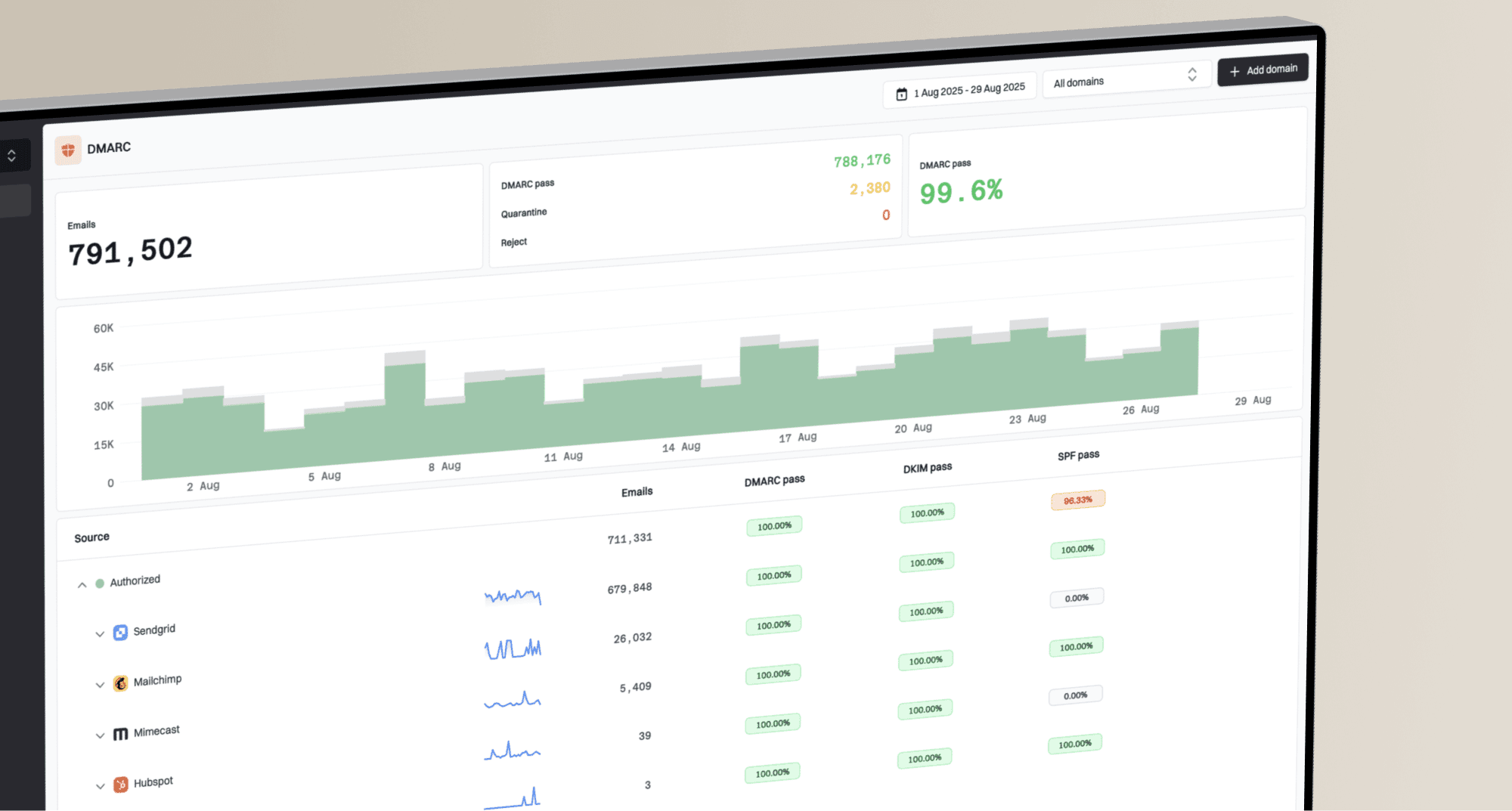
Suped's product can monitor blocklist (blacklist) status alongside DMARC aggregate data and authentication results such as SPF and DKIM. That gives teams a concrete place to compare the listing against recent mail streams and authentication failures instead of treating the listing in isolation.
Expected impact
The practical impact of a ZapBL RHSBL listing is usually limited to receivers that have configured this list directly. There is no public evidence that large mailbox providers such as Gmail or Microsoft use ZapBL RHSBL as a direct blocking source. A listing still matters when recipients use smaller mail systems or private gateways with strict DNSBL and RHSBL policies.
Treat the listing as a domain reputation warning. Confirm that the domain is not appearing in spam, fix any backscatter or auto-reply behavior, then use the lookup and contact process if the listing does not expire on its own.