Team Cymru IPv4 Full Bogons Blacklist

The Team Cymru IPv4 Full Bogons blocklist (blacklist) tracks unallocated IP addresses that should not appear on the public internet.
Updated on 17 Jun 2026: We updated this guide with safer bogon filtering guidance, current Team Cymru DNS behavior, and clearer delisting advice.
Summarize with
Check if you are listed on Team Cymru IPv4 Full Bogons Blacklist
And 143 other blocklists.







What is the Team Cymru IPv4 Full Bogons blacklist?
The Team Cymru IPv4 Full Bogons blacklist, identified by the zone name v4.fullbogons.cymru.com, is a specialized IP-based blocklist. It does not list IPs based on spamming activity. Instead, this blacklist tracks "fullbogons", meaning traditional bogon prefixes plus IPv4 prefixes allocated to a Regional Internet Registry but not yet assigned to ISPs, end users, or other public networks.
Bogon filtering is a security practice used to block network traffic from invalid, reserved, unallocated, or unassigned IP address ranges. These addresses are often used for malicious activities such as DDoS attacks or IP spoofing. By using a bogon blocklist, networks can drop traffic from sources that should not be reachable on the public internet.
Technically, a system queries this DNS-based blacklist (DNSBL) by reversing the octets of an IPv4 address and appending the zone name. A listed IP address returns an A record of 127.0.0.2. A TXT query can return the prefix that contains the address. Network administrators need to understand that this list can cause negative effects if applied incorrectly, because it is not a simple spam filter.
Who runs the Team Cymru IPv4 Full Bogons blacklist?
The Team Cymru IPv4 Full Bogons blacklist is operated and maintained by Team Cymru as part of its Bogon Reference Community Service, which provides bogon data through DNS, HTTP, BGP peering, and routing registry formats.
How should this blocklist be used safely?
Team Cymru's fullbogon data changes as IANA allocations, RIR assignments, and special-use reservations change. The IPv4 fullbogons feed is updated every four hours, so static copies and rarely updated firewall rules create more risk than the live DNS or regularly refreshed feed.
- Use it at the network edge where bogon ingress and egress filtering belongs, such as border routers and firewalls.
- Test filters before production use, especially if your network uses shared address space such as 100.64.0.0/10 for carrier-grade NAT.
- Avoid using it as a generic email blacklist, because the listing reason is address allocation status rather than sender reputation.
- Refresh local copies on the documented schedule, and remove stale rules when prefixes become publicly assigned.
DNS lookup examplebash
dig +short 24.100.51.198.v4.fullbogons.cymru.com
127.0.0.2

dig +short 24.100.51.198.v4.fullbogons.cymru.com TXT
"198.51.100.0/24"
How do I get removed and delisted from the Team Cymru IPv4 Full Bogons blacklist?
There is no normal reputation-style delisting process for the Team Cymru IPv4 Full Bogons blacklist. This is because it is not a list of "bad" IPs. It is a list of addresses that should not be used as normal public source traffic. If your IP is listed, the most common causes are that the IP is genuinely unallocated, reserved, private, shared address space, or allocated to an RIR but not yet assigned for public use.
Often, being blocked by a system using this list is a sign of misconfiguration. A network administrator might have applied this bogon list to a system like an email server, thinking it was a traditional spam blacklist. If you are being blocked, you should:
- Verify your IP address. If it falls within private ranges such as 10.0.0.0/8, 172.16.0.0/12, or 192.168.0.0/16, it is correctly identified as a bogon because these ranges are for local network use only.
- Check whether the address is in shared, reserved, or documentation space, including 100.64.0.0/10 or 198.51.100.0/24, before assuming the blacklist is wrong.
- If the prefix is publicly assigned, confirm the RIR assignment, route publication, and provider delegation before escalating the issue.
- Contact the network administrator of the service that is blocking you. Explain that the Team Cymru fullbogon data should be used for bogon filtering, not as a generic email reputation blacklist.
Team Cymru does not control the systems that consume its data. If a receiver uses the blocklist incorrectly, the fix is with that receiver's filtering policy. If a publicly assigned prefix still appears in the data after normal updates, raise it with the relevant network owner or Team Cymru support with allocation evidence.
What is the impact of being listed on the Team Cymru IPv4 Full Bogons blacklist?
The impact of being listed on this blacklist (or blocklist) is generally low for legitimate internet traffic. A listing means an IP address is unassigned, reserved, private, shared, or otherwise not valid as normal public source traffic. Since valid public internet services and email servers should not use these IP addresses, a correctly configured system should not be affected.
The impact becomes serious when a network administrator misuses the list, for example, by applying it as a generic email filter or by keeping stale copies after a prefix becomes assigned. In those cases, it can block traffic from internal networks, newly assigned prefixes, or services behind shared address space. The main risk comes from incorrect implementation, not from the listing itself.
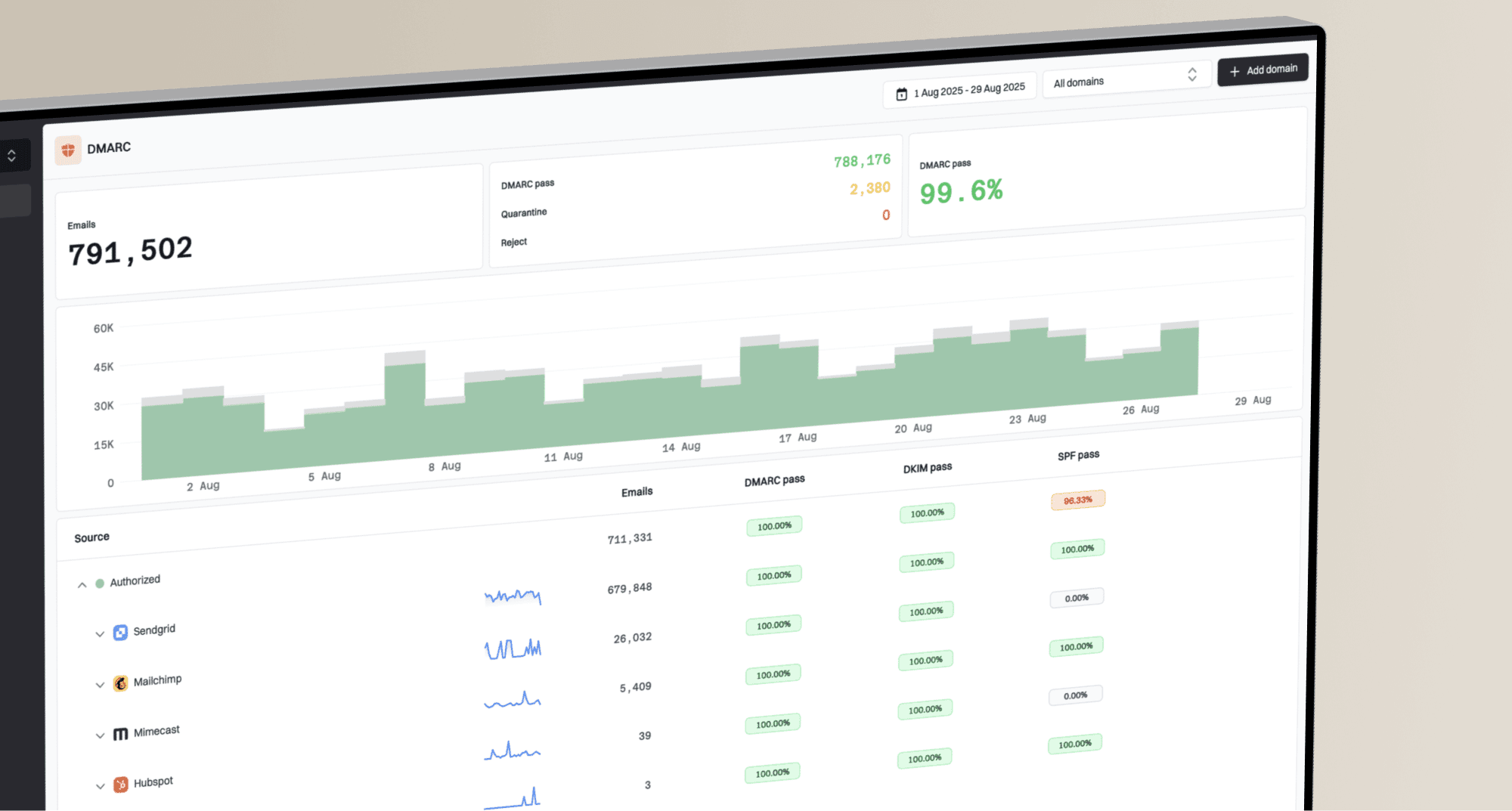
For email teams using Suped's DMARC reporting, treat this as a network-layer blocklist signal and verify DMARC, SPF, and DKIM separately. The fix for a full bogon result is address assignment, routing, or receiver-side filter configuration, not an email authentication record change.