NoSolicitado Blacklist
NoSolicitado is an IP-based blocklist (or blacklist) that identifies sources of unsolicited email, specifically focusing on Spanish-language spam.
Updated on 17 Jun 2026: We updated this guide with NoSolicitado's DNSBL zones, clearer delisting steps, and practical prevention checks.
Summarize with
Check if you are listed on NoSolicitado Blacklist
And 143 other blocklists.







What is the NoSolicitado blacklist?
The NoSolicitado blacklist is a public DNS-based blocklist (DNSBL) that focuses on IP addresses responsible for sending unsolicited email. It lists mail server IP addresses rather than domain names. According to NoSolicitado, it is used by thousands of servers worldwide and processes billions of email queries each month.
The public site lists two DNSBL zones: bl.nosolicitado.org for the main blocklist and bl.worst.nosolicitado.org for receivers that want to block the worst sources. Mail servers query these zones during filtering, so a listed IP can be rejected, quarantined, or scored as risky depending on the receiver's policy.
This particular blacklist (or blocklist) was created to target unsolicited email written in Spanish, which other RBLs do not consistently detect. It identifies problematic servers by using decoy email addresses, also known as spam traps. When a sender uses scraped or purchased addresses and sends mail to those traps, NoSolicitado flags the sending IP address. An IP can be listed when it is associated with a detected volume of unsolicited mail, including when the spam comes from another sender on the same shared server.
- Sending unsolicited commercial email, including mail sent to harvested or purchased addresses.
- Phishing or identity theft attempts.
- General scamming attempts.
- Sending from hacked, infected, or misconfigured servers.
- Email spoofing, where a sender pretends to be someone else.
Who runs the NoSolicitado blacklist?
The blacklist is operated by NoSolicitado.org. Its public site states that the service handles more than six billion queries per month. Its published rationale focuses on poorly managed email service providers and unmonitored data centers that allow unsolicited email to leave their networks.
How do I get removed from the NoSolicitado blacklist?
If you administer the listed mail server and believe the IP address was listed in error, use NoSolicitado's delisting page to check the IP and request a review. The request option appears after you query a listed IP address.
Before you request removal, fix the cause of the listing. NoSolicitado provides the following guidelines:
- You must be the administrator of the server in question.
- You should be certain that the listing is a mistake before submitting a dispute.
- Fix the source of the problem before filing the request. If a user on your server is sending spam, terminate or suspend that account.
- Give a direct explanation of what happened and what changed, such as closing a compromised account, removing a bad script, or correcting a mail server configuration.
NoSolicitado reserves the right to ignore disputes they consider meritless. Certain email servers with an extremely poor reputation are not eligible for removal from this blocklist.
How to reduce the risk of being listed
NoSolicitado points to shared hosting and weak outbound abuse controls as common listing causes. The safest approach is to reduce shared IP exposure and make every source of outbound mail accountable.
- Use a dedicated sending IP where possible, especially for business or marketing mail, so another sender's abuse does not damage the same IP reputation.
- Choose hosting environments with fewer customers per IP and clear outbound spam controls.
- Configure PTR reverse DNS for the sending IP so it matches the mail server hostname, then keep HELO or EHLO names, SPF, DKIM, and DMARC consistent with the domain you use to send.
- Monitor outbound mail for compromised accounts, malware, bad software, misconfigured scripts, open relays, and sudden volume spikes.
- Avoid bought, scraped, or rented lists because NoSolicitado spam traps are designed to catch mail sent to harvested addresses.
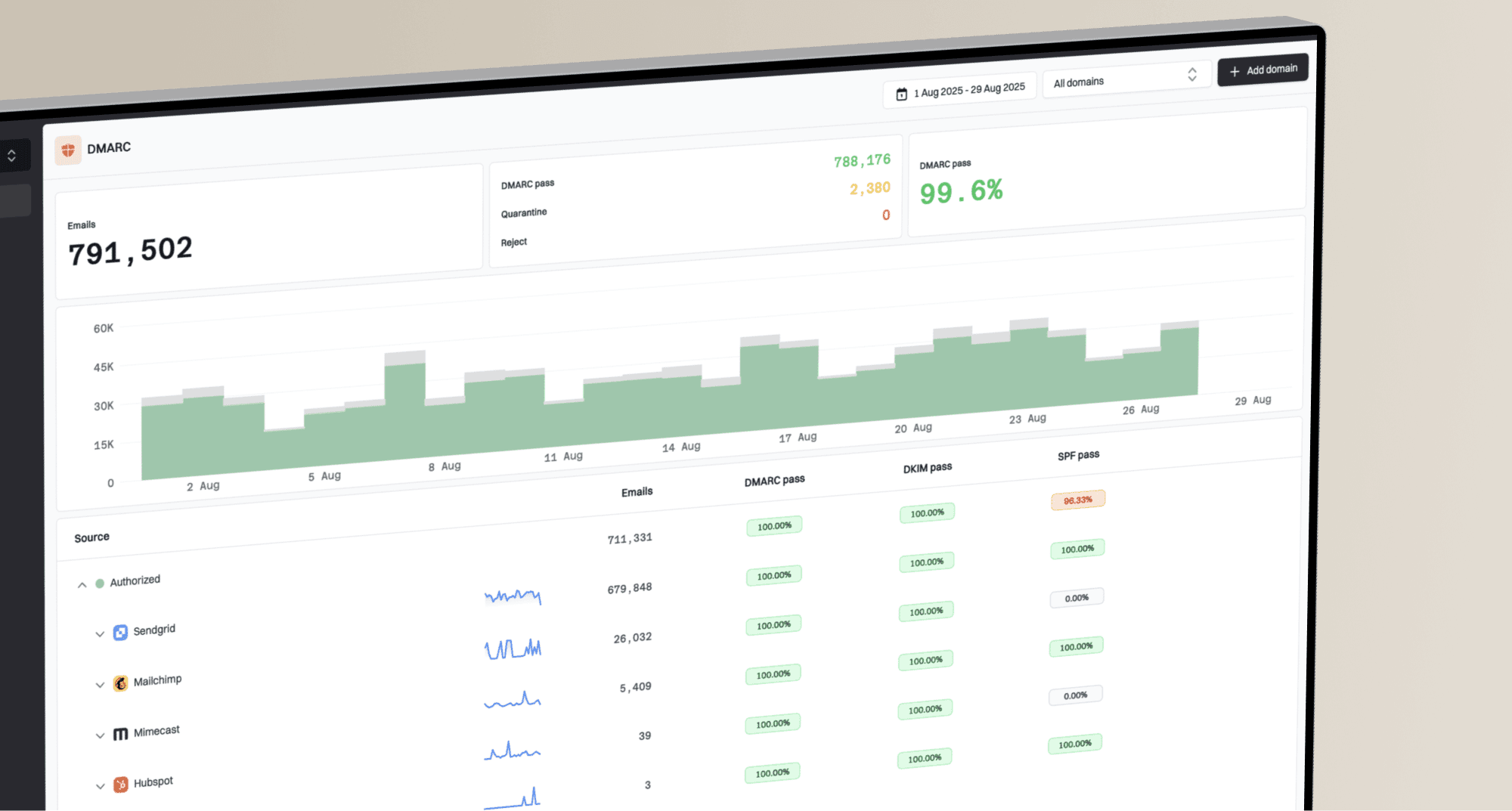
For domain-level visibility, Suped's DMARC reporting helps confirm which services send mail for your domain, where SPF or DKIM failures happen, and whether unauthorized traffic is using your domain before a blocklist (or blacklist) problem spreads.
What is the impact of being listed on the NoSolicitado blacklist?
The impact of being on the NoSolicitado blacklist is usually medium overall, but it is higher for senders that rely on Spanish-language audiences. Since this blacklist is designed to catch Spanish-language spam, a listing can create delivery problems when you send to subscribers in Spanish-speaking countries or regions. Receiving organizations that use this RBL can block your messages entirely or route them to spam, depending on their filtering policy.