JIPPG Technologies Relay Blackhole List Project Blacklist

The JIPPG Technologies Relay Blackhole List is a low-impact IP blocklist (or blacklist) that aggregates data to identify problematic mail servers.
Updated on 17 Jun 2026: We updated this guide with the current JIPPG zone details, listing response, inactive dial-up list context, and a clearer delisting workflow.
Summarize with
Check if you are listed on JIPPG Technologies Relay Blackhole List Project Blacklist
And 143 other blocklists.





What is the JIPPG Technologies Relay Blackhole List Project blacklist?
The JIPPG Technologies Relay Blackhole List Project blacklist (mail-abuse.blacklist.jippg.org) is an IPv4 DNSBL for server IP addresses. JIPPG lists the active mail-abuse zone with a 127.0.0.2 response and roughly 130,000 entries on its project page. The same page says this mail-abuse blacklist does not include open relay servers.
This blacklist also works as a composite list because it aggregates results from other DNSBLs. JIPPG says the outside lists are selected based on response speed from JIPPG's servers, rather than a detailed public abuse policy. Its separate dialup.blacklist.jippg.org zone has 0 entries, and JIPPG says dial-up lists are no longer used.
The operational policy is unusually loose. The maintainers state, "There is no firm policy for making it public, so if we receive any complaints, we will immediately stop it." They also warn that blacklist (blocklist) data is not guaranteed to be correct and that anyone using the list does so at their own risk.
- It lists IPv4 server IP addresses, not domain names.
- It is a composite DNS blacklist that incorporates results from other DNSBLs.
- Its active mail-abuse zone uses 127.0.0.2 as the listed response.
- Its public policy warns that listings are not guaranteed to be accurate.
Who runs the JIPPG blacklist?
This blocklist is run by JIPPG Technologies. The public site gives limited organizational detail and mainly describes the DNS zones, entry lookup, and Japanese-language checking pages. It lists Tokyo, Osaka, Nara, Yonago, and Riga as locations.
How to check a JIPPG listing
To check whether an IP is listed, reverse the IPv4 address and query it under mail-abuse.blacklist.jippg.org. A listed response returns 127.0.0.2. No response usually means the IP is not currently listed in that zone.
DNSBL query formatBASH
dig +short <reversed-ip>.mail-abuse.blacklist.jippg.org
# JIPPG listed response: 127.0.0.2
Treat a positive result as a signal to investigate the sending IP, not as proof that the domain itself has an authentication problem. Check recent SMTP errors, outbound volume, compromise indicators, SPF pass results, DKIM pass results, and DMARC aggregate data before requesting delisting.
How to get delisted from the JIPPG blacklist
The delisting process for this blacklist is manual and requires direct contact. There is no automated or self-service removal portal.
To request removal, email the operators at relaycheck@jippg.org. Include the listed IP address, the sending hostname, the approximate time you confirmed the listing, and a short explanation of what changed. Useful details include malware cleanup, queue cleanup, rate-limit changes, abuse desk action, or evidence that the IP was listed through a source now corrected.
Keep the request brief and specific. Because JIPPG does not publish detailed prerequisites, the strongest delisting request shows the IP, the fix, and the reason the listing no longer reflects current sending behavior.
What is the impact of a JIPPG listing?
The impact of being listed on the JIPPG blacklist is usually low. JIPPG's own warnings about data accuracy and cautious use limit how much administrators rely on this blocklist by itself. A single JIPPG hit should be investigated, but it should not be treated the same way as a broad mailbox-provider block or a repeated rejection pattern in SMTP logs.
JIPPG's composite model also matters. A listing has more weight when the same sending IP appears in multiple sources inside the composite list, especially when bounce logs show matching delivery failures. If the only signal is JIPPG and the sending IP has clean authentication, stable volume, and no related rejections, the practical deliverability risk is lower.
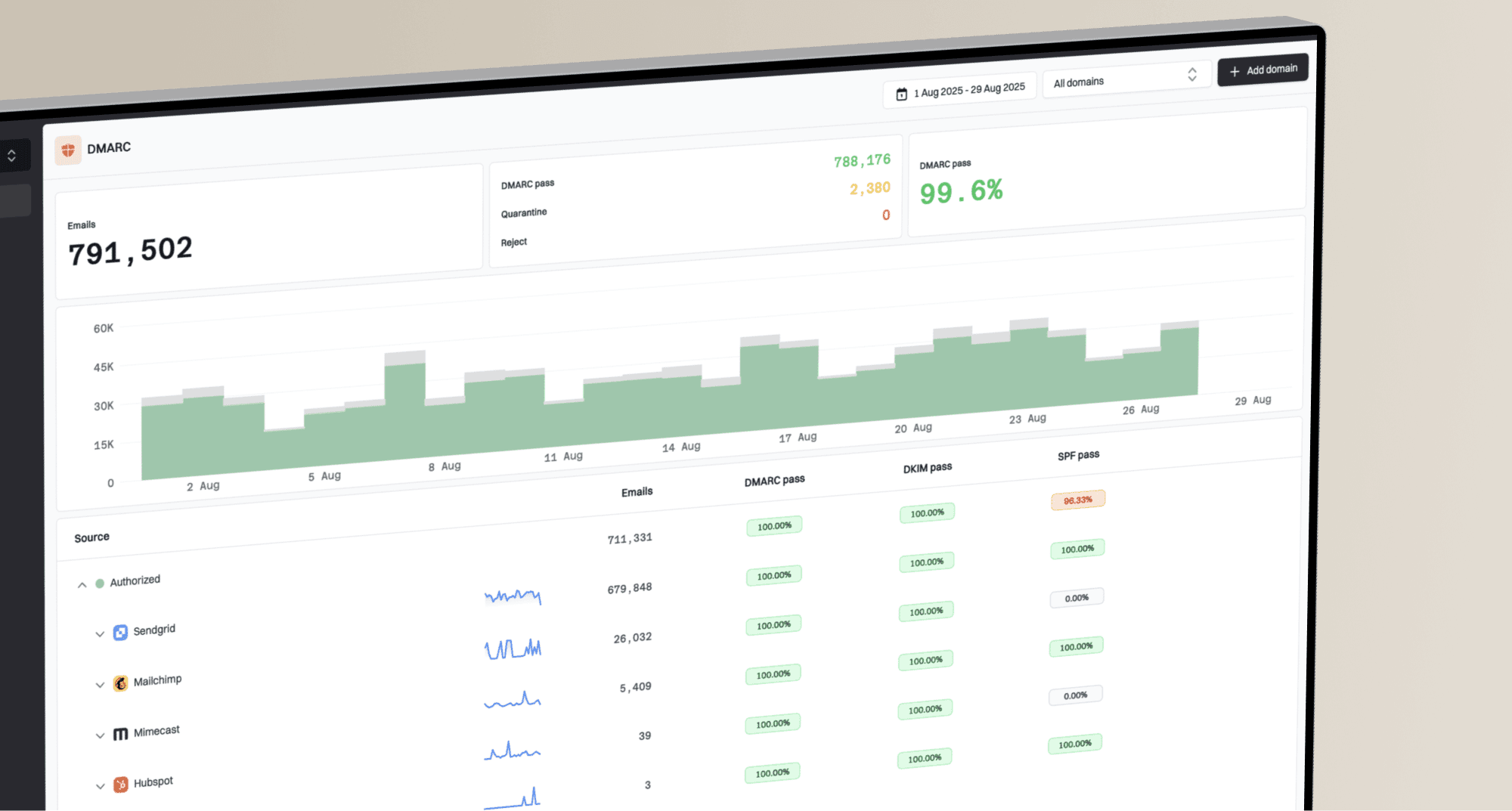
For Suped customers, track JIPPG hits next to delivery errors, DMARC aggregate trends, and sending IP changes so the listing is tied to a concrete source. That workflow keeps the blacklist (blocklist) investigation focused on the IPs and traffic that affect real mail flow.