Suped

Why am I receiving weird Mapnik conditional replies after a welcome email?

Matthew Whittaker profile picture
Matthew Whittaker
Co-founder & CTO, Suped
Published 11 Feb 2026
Updated 12 Feb 2026
5 min read

Technical email analysis illustration
I recently encountered a bizarre situation where a fresh batch of newsletter subscribers started sending back nonsensical replies. These messages were filled with highly technical jargon about extending Mapnik with conditional labels or markers. It felt like I had accidentally walked into a developer's private brainstorm session, yet these were replies to a standard welcome email. It is a confusing experience to see your automation trigger a wave of strange, almost poetic computer science text from supposedly human recipients.
This phenomenon is often linked to strange signups that occur when bot networks target a public-facing form. When a bot signs up, your system sends a welcome email. If that bot is part of a larger network or uses certain browser plugins, it might automatically generate a reply. The weird text is usually a snippet of open-source code or documentation used to bypass basic spam filters by making the content look like a legitimate technical discussion.
While it looks like a glitch in the Matrix, it is actually a very common tactic for evading spam filters. By sending back a reply with high-quality, complex text, the bot attempts to build a positive sender reputation with the mailbox provider. They want to convince the system that their address is active and engaged in meaningful conversation.
The core of the issue lies in how bots interact with your mailing list. Most of these replies come from Gmail addresses, which can be even more confusing because you assume Google's filters would catch this. However, since the bot is technically responding to an email you sent first, it creates a loop that looks like a high engagement rate on the surface but is actually polluting your data.
I have found that the best way to handle this is immediate suppression. If you see patterns of technical gibberish like the Mapnik text, those accounts are almost certainly not human. You should look for strange event confirmations or signups that lack a clear source. Removing these addresses protects your sender score and prevents you from paying for dead weight in your marketing database.
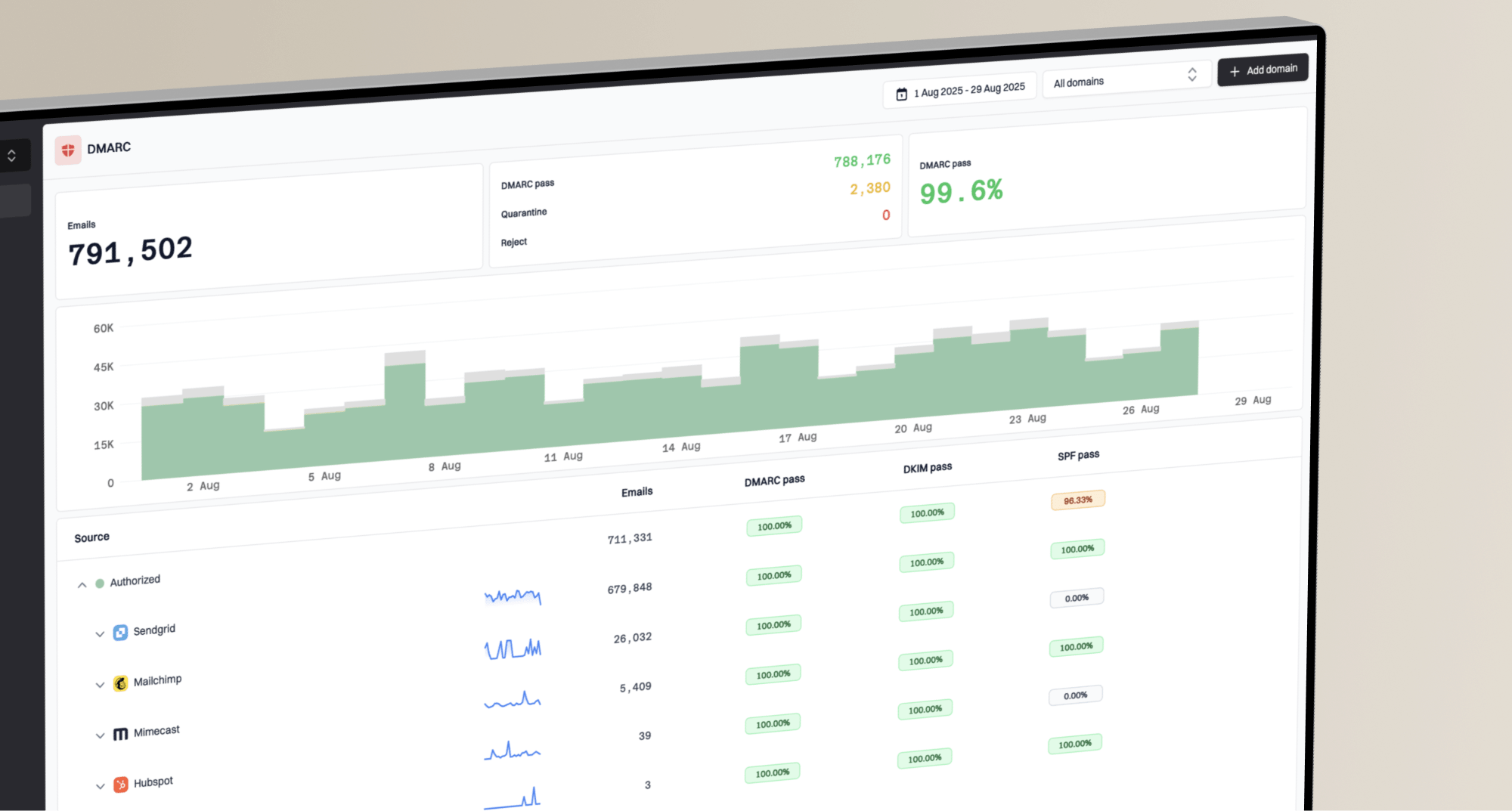
One effective way to stay ahead of these issues is by using a tool like Suped. While it is primarily a suped.com logoDMARC monitoring platform, it helps you understand the overall health of your domain. Suped offers AI-powered recommendations that can help you identify if your domain is being used in ways you didn't intend, giving you a unified view of your security.
Identifying bot reply patterns
  1. Check for random sentences or technical snippets in the body.
  2. Verify if the sender message gets replaced with unrelated content.
  3. Look for high volumes of replies from new subscribers within a short window.
To truly secure your deliverability, you need to look beyond just the signup form. These bots are often probing for weaknesses in your email authentication. If your SPF, DKIM, and DMARC are not configured correctly, it becomes easier for automated systems to manipulate your email flows or even spoof your domain for their own purposes.
You can use a blocklist checker to see if your IP or domain has already been flagged due to these bot interactions. Often, the replies are a precursor to being listed on a blacklist (or blocklist) because the system detects unusual, automated activity emanating from your sender reputation. Monitoring these lists is a vital part of maintaining a healthy inbox placement.
Suped makes this process significantly easier for businesses. Their platform includes suped.com logoblocklist monitoring alongside deep DMARC insights. Instead of manually checking various lists, Suped alerts you in real-time if something goes wrong. This is particularly useful for MSPs who need to manage multiple client domains without getting bogged down in individual technical logs.


Bot automation illustration
The reality is that as long as you have a public signup form, bots will try to exploit it. The Mapnik conditional replies are just one flavor of a much larger problem called list bombing. Bots sign up for thousands of newsletters simultaneously, hoping to bury a legitimate notification (like a bank transfer alert) in a sea of welcome emails and technical replies.
Comparing your protection strategies is the best way to determine your next move. You might choose to implement stricter CAPTCHA or move toward a double opt-in process. Both have pros and cons, especially when it comes to user friction versus list quality.
Manual list cleaning
  1. Identify strange signups by looking at reply text.
  2. Hard to scale for large lists.
  3. No protection against future bot attacks.
Automated monitoring with Suped
  1. Continuous DMARC monitoring protects your domain identity.
  2. Real-time alerts for delivery anomalies.
  3. Built-in SPF flattening to prevent DNS errors.
If you are seeing these replies, do not ignore them. They are a sign that your list hygiene needs attention. By cleaning out these subscribers and ensuring your welcome emails are not being exploited, you can maintain a strong relationship with major providers like Gmail and Outlook.

Views from the trenches

Best practices
Implement double opt-in to verify that every new subscriber is a real person.
Regularly audit your reply-to address for patterns of nonsensical or technical text.
Enable rate limiting on your signup forms to prevent mass bot registrations.
Common pitfalls
Assuming that a high reply rate from new subscribers is always a positive metric.
Ignoring technical gibberish in replies as a simple one-off technical glitch.
Failing to suppress suspicious addresses which leads to blocklist issues later.
Expert tips
Use Suped for real-time domain monitoring to catch authentication failures early.
Look for consistency in headers to identify the source of automated bot plugins.
Cross-reference signup timestamps with IP addresses to find clusters of bot activity.
Marketer view
Marketer from Email Geeks says they noticed a small percentage of subscribers sending technical replies and had to suppress them to save list quality.
2024-03-12 - Email Geeks
Expert view
Expert from Email Geeks says the headers often reveal that these automated replies are coming from specific plugins used by bot networks.
2024-05-15 - Email Geeks

Final thoughts on Mapnik replies

Dealing with Mapnik conditional replies is ultimately about vigilance. These strange messages are a window into the automated world of bots trying to navigate spam filters. By suppressing the suspicious accounts and reinforcing your domain's security through a unified platform like Suped, you can ensure your email marketing remains effective and secure.

Frequently asked questions

DMARC monitoring

Start monitoring your DMARC reports today

Suped DMARC platform dashboard

What you'll get with Suped

Real-time DMARC report monitoring and analysis
Automated alerts for authentication failures
Clear recommendations to improve email deliverability
Protection against phishing and domain spoofing