DMARCAnalyzer vs.
DMARCLytics in 2026
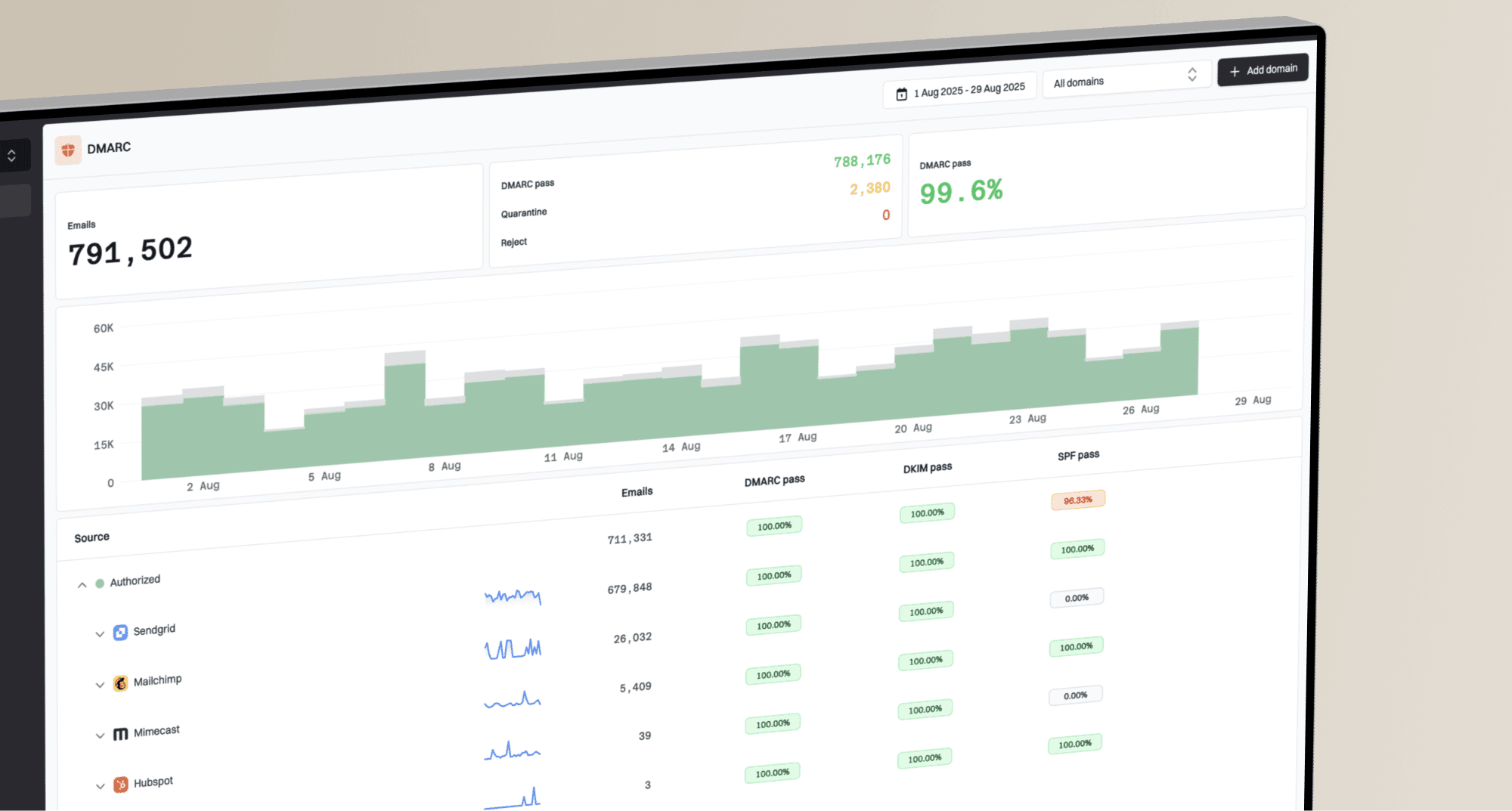
DMARCAnalyzer

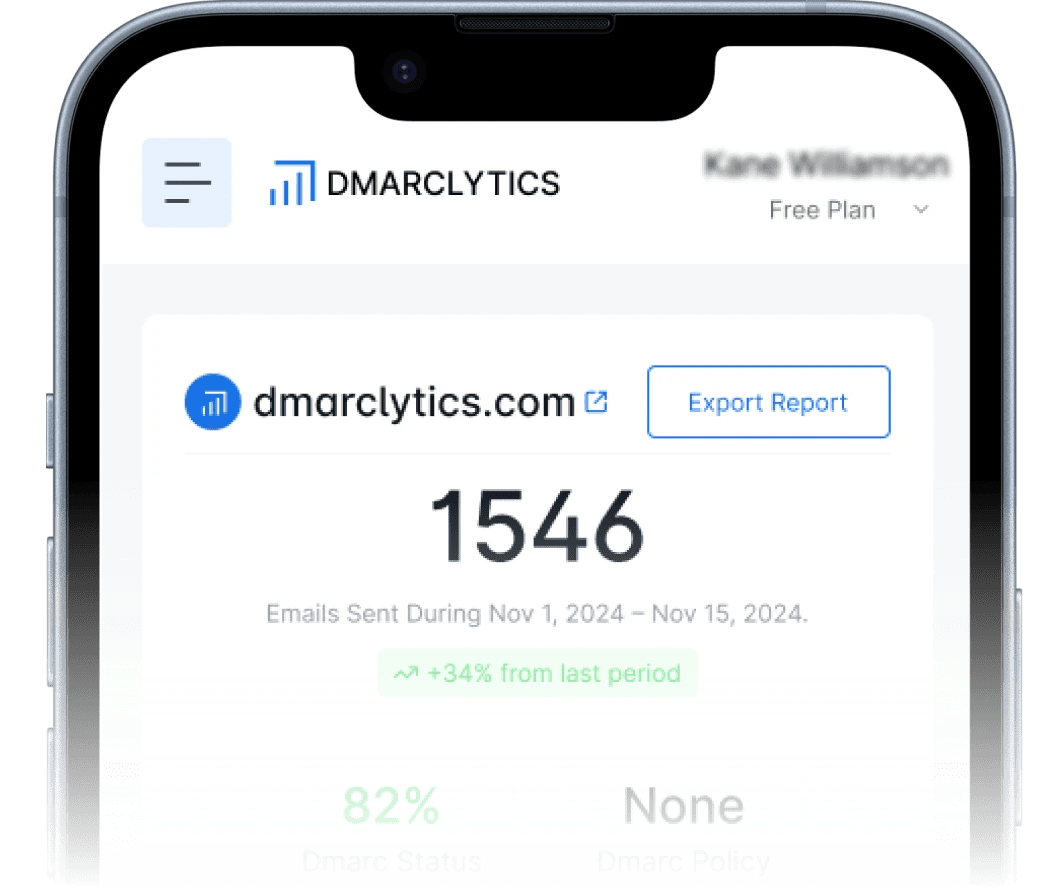
DMARCLytics
vs.
We tested DMARCAnalyzer and DMARCLytics for 90 days across a corporate domain, marketing subdomain, and parked domain, with Microsoft 365, Google Workspace, SendGrid, Mailchimp, and a support desk sender connected. DMARCAnalyzer felt stronger for formal enforcement planning; DMARCLytics felt faster for SMB hosted-record work, but its pricing page and enterprise boundaries needed more confirmation.

DMARCAnalyzer
Enterprise DMARC enforcement
Starts at
From about $5,000 / year
Best fit
Security teams standardizing policy movement
In one line
DMARCAnalyzer gave us the clearer path to quarantine and reject, especially when the spoof sample needed evidence and escalation notes.
DMARCLytics
DMARC reporting for SMBs
Starts at
From GBP 9.99 / month
Best fit
Operators that want hosted SPF and DMARC without a long sales cycle
In one line
DMARCLytics was quicker to start and broader on hosted records, but pricing labels and enterprise options needed confirmation.
Suped
The better option. Hosted SPF, DMARC, and MTA-STS on every plan. Published pricing. Monthly plans. No long contract required.
Learn about Suped
Choose by enforcement depth, not dashboard taste
Pick DMARCAnalyzer if
Enterprise security teams that need a defensible enforcement plan
Microsoft 365 and SendGrid sources were easier to tie to policy movement.
The unauthorized spoof sample produced a cleaner escalation trail.
The parked domain stayed separate during stricter policy review.
From $5,000 / year
Pick DMARCLytics if
SMBs and operators that want hosted records and quick sender classification
Google Workspace and Mailchimp were classified with fewer setup steps.
Hosted SPF and hosted DMARC reduced DNS handoff work.
The SPF pass with visible From mismatch was easier to explain.
From GBP 9.99 / month
Consider Suped if
Suped's product fits teams that want guided fixes, hosted records, and simpler ownership
Guided fixes help turn unknown senders into owner-level tasks.
Automated issue detection and cleaner alerts reduce daily review noise.
Published starter pricing begins at $19 / month for 2 domains and 100k emails.
Free plan available
The differences that actually change your week
DMARCAnalyzer
DMARCLytics
Suped
DMARC report analysis
How well the product turns aggregate reports into useful review work.
Aggregate, forensic, and TLS reporting
Aggregate reports and trends
Aggregate and forensic views
Source detection
Whether the product identifies services behind sending IPs and domains.
IP, location, and source views
Sender and host views
Sender identification
Forward detection
Whether forwarded mail is separated well enough to avoid false sender blame.
Drilldown only
Report-based, partial
Forwarding signals
Spoof detection
Whether unauthorized use is raised clearly during review.
Forensic signal and policy view
Spoof and brand alerts
Spoof alerts
Notifications and alerts
Whether alerts help operators act without creating too much daily review work.
Alert policies
Configurable smart alerts
Action alerts
Reporting
Whether reporting works for weekly review, exports, and stakeholder updates.
Exports and scheduled review
Reports, maps, and trends
Scheduled and exportable reports
API
Whether public API access was clear enough to plan operational integration.
Not found
Not found
API available
Multi-tenancy
Whether separate clients, business units, or account groups can be managed cleanly.
Enterprise domain grouping
Enterprise multi-team tier
MSP account separation
SPF flattening
Whether SPF complexity can be managed without repeated manual record edits.
SPF delegation add on
Hosted SPF management
Hosted SPF flattening
Hosted DMARC
Whether the product hosts and manages DMARC records after setup.
Wizard, not hosted
Hosted DMARC management
Hosted DMARC
Hosted SPF
Whether the product can host or delegate SPF management.
SPF delegation add on
Hosted SPF management
Hosted SPF
Hosted MTA-STS
Whether the product hosts MTA-STS policy and reporting workflow.
TLS reporting, not hosted
Not found
Hosted MTA-STS
Blocklists and reputation
Whether blocklist (blacklist) risk is visible inside the same workflow.
Not supported in test
IP reputation checker
Blocklist (blacklist) monitoring
Automatic issue detection
Whether the product flags problems without requiring full manual review.
Recommendation engine
Smart alerts and AI
Automated issue detection
AI copilot
Whether an AI assistant helps explain reports and next actions.
Not supported
Guardian AI
AI assistance
DNS monitoring
Whether DNS records are checked after the initial setup.
DNS setup checks
Record checks every 1-5 minutes
DNS monitoring
Self hostable
Whether buyers can run the product on their own infrastructure.
No
No
No
Free trial/free tier
Whether a buyer can start without a paid annual contract.
Free trial
14-day trial; Starter unclear
Free plan
Ten dimensions, scored from 0 to 10
We scored each product against a fixed editorial rubric used across the same 90-day setup. Higher is better in every row, and a 0 means the capability was not supported in the tested product or public plan data.
DMARCAnalyzer scores higher on enforcement depth, while DMARCLytics scores higher on hosted operations
DMARCAnalyzer scored higher on enforcement planning because its DNS wizard, policy recommendations, and managed support path made the controlled spoof sample and DKIM subdomain case easier to turn into action. DMARCLytics scored higher on hosted records, blocklist (blacklist) checks, and day-to-day affordability, but its pricing labels and enterprise handoff were less clear. Only DMARCLytics received credit for an AI copilot.
DMARCAnalyzer score
54.5/100
DMARCLytics score
66/100
DMARCAnalyzer
54.5/100
DMARC enforcement
8.0
Customer support
7.5
Source resolution
8.0
Setup and onboarding
7.0
MSP workflows
5.0
Alerting and integrations
5.0
Hosted SPF and MTA-STS
3.0
Blocklist monitoring
0.0
Pricing transparency
3.0
Time to enforcement
8.0
DMARCLytics
66/100
DMARC enforcement
7.5
Customer support
6.5
Source resolution
7.0
Setup and onboarding
8.0
MSP workflows
7.0
Alerting and integrations
5.5
Hosted SPF and MTA-STS
4.0
Blocklist monitoring
7.0
Pricing transparency
6.0
Time to enforcement
7.5
Feature set
Depth vs breadth
DMARCAnalyzer wins on enforcement depth. DMARCLytics wins on hosted records.
DMARCAnalyzer has the deeper enforcement workflow; DMARCLytics has broader built-in tools for hosted records, reputation checks, and AI-assisted explanations. The buying criterion we would add is guided fixes: source names only help when the product turns unknown senders and authentication exceptions into owner-level tasks. Suped's product leans into that workflow, so teams should test the fix path, not only the report view.
DMARCAnalyzer

Microsoft 365 grouped cleanly
SendGrid owner needed notes
DKIM subdomain case clear
DMARCLytics
Google Workspace setup quick
Mailchimp appeared by sender
Guardian AI explained mismatch
DMARCAnalyzer gave us the better forensic path once Microsoft 365 and SendGrid were producing real aggregate volume. It grouped the corporate domain and marketing subdomain cleanly, marked the DKIM pass on the subdomain as safe after domain review, and exposed the unknown sender by IP and location, but it still needed manual owner notes before the sender could be approved or blocked.
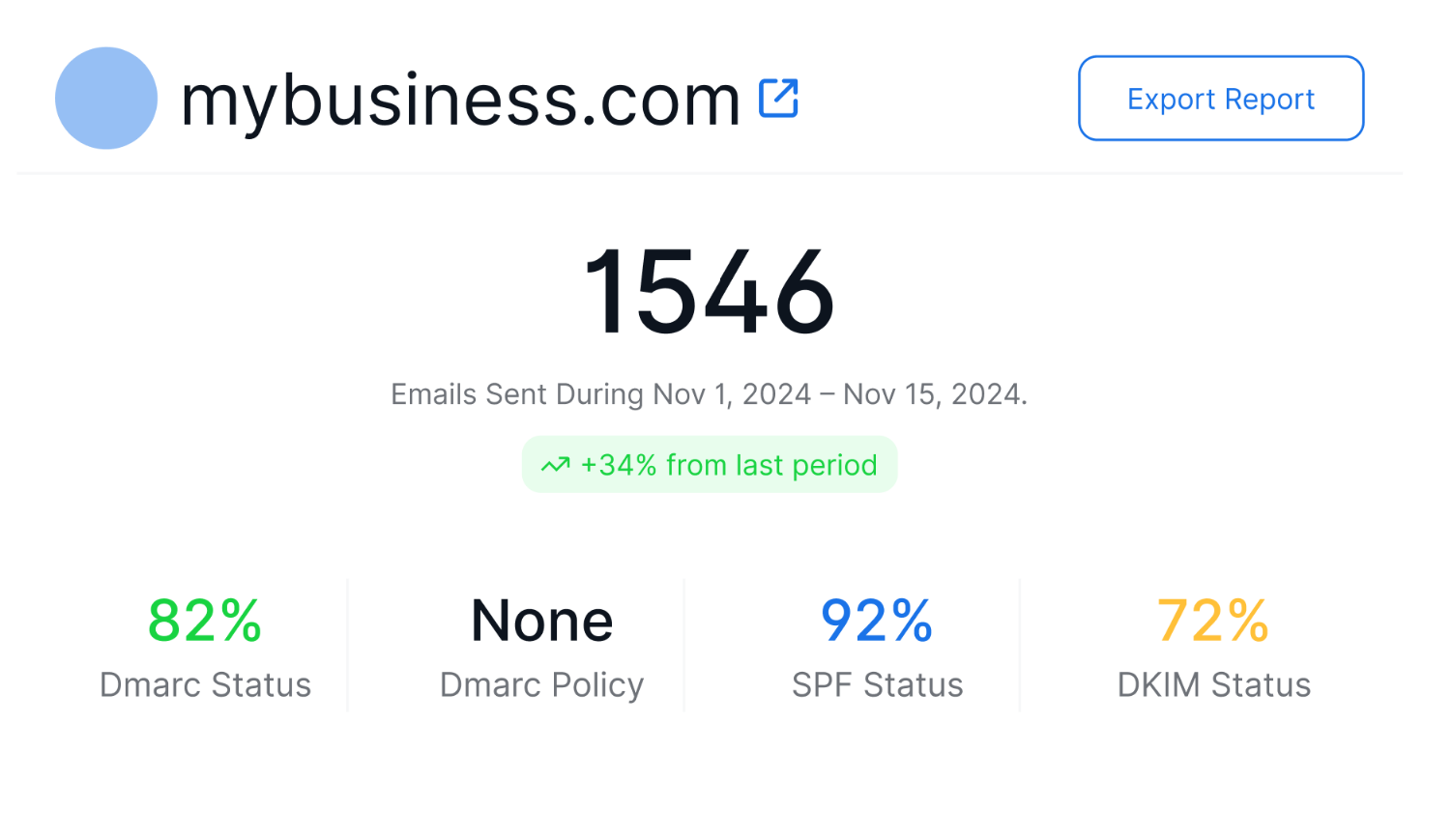
DMARCLytics covered more operational surface for the price: Google Workspace and Mailchimp were quick to classify, hosted SPF and hosted DMARC were visible in the same workflow, and the SPF pass with visible From mismatch was easier to explain to a non-specialist. The tradeoff was less depth in enterprise policy planning; the unknown sender was visible, but classification history and owner handoff felt lighter.
User experience
Control vs guidance
DMARCLytics is faster to start. DMARCAnalyzer is easier to trust at enforcement time.
DMARCLytics had the smoother first hour because DNS records, hosted SPF, and hosted DMARC sat in a tighter setup flow. DMARCAnalyzer took longer, but its review path made the forwarded SPF failure and parked-domain policy decision easier to defend later.
DMARCAnalyzer
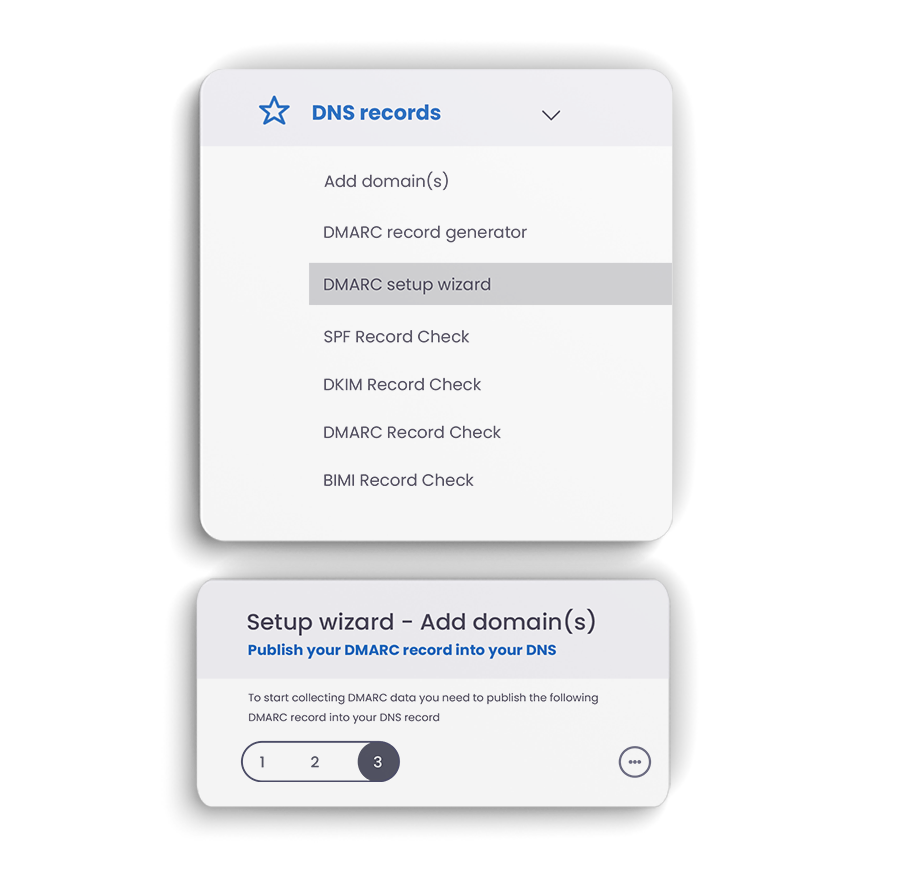
Three-domain setup was orderly
Unknown sender required notes
Forwarded SPF drilldown worked
DMARCLytics

First domain connected fastest
Unknown sender was obvious
Forwarding explanation was simpler
DMARCAnalyzer made us work through more setup steps for the corporate domain, marketing subdomain, and parked domain, but each DNS task had a clear purpose. Finding the unknown sender required more filtering and manual notes, while the forwarded mail with SPF failure was easier to explain once we opened the authentication details.
DMARCLytics moved faster during onboarding. The first domain connected quickly, the unknown sender stood out sooner in sender views, and the forwarded SPF failure was explained in simpler language, although the shorter path also gave us fewer audit notes for a later enforcement review.
Support
Hands-on help vs self serve
DMARCAnalyzer has the clearer enterprise handoff. DMARCLytics is lighter until custom support starts.
DMARCAnalyzer set better expectations for DNS handoff, escalation, and a managed path to enforcement. DMARCLytics handled basic setup questions well, but larger onboarding questions moved quickly into custom Enterprise or MSP territory.
DMARCAnalyzer

DNS handoff notes were clearer
Escalation path was formal
Enterprise onboarding felt planned
DMARCLytics

Email support covered basics
Priority tier mattered
Enterprise details needed confirmation
For DMARCAnalyzer, the support model matched a formal enterprise rollout. DNS handoff notes were easier to pass to an infrastructure team, escalation expectations were clearer, and the managed services option made sense for teams that want help moving the corporate domain toward reject.
For DMARCLytics, email support covered the basic setup path and the Professional or Business tier looked workable for smaller teams. The dedicated DMARC engineer and SLA-backed support sat in the Enterprise lane, so questions about 20-plus domains, client separation, and escalation needed confirmation.
Suitability
Enterprise fit vs operator fit
DMARCAnalyzer fits controlled enterprise rollouts. DMARCLytics fits faster SMB operations.
DMARCAnalyzer fits enterprises that want formal enforcement planning across a small set of important domains. DMARCLytics fits SMBs and operators that want hosted records, entry pricing, and daily sender checks without a long procurement cycle. MSPs should test account separation, recurring reports, and alert quality; Suped's product is worth comparing when client handoff notes need to live inside the workflow.
DMARCAnalyzer
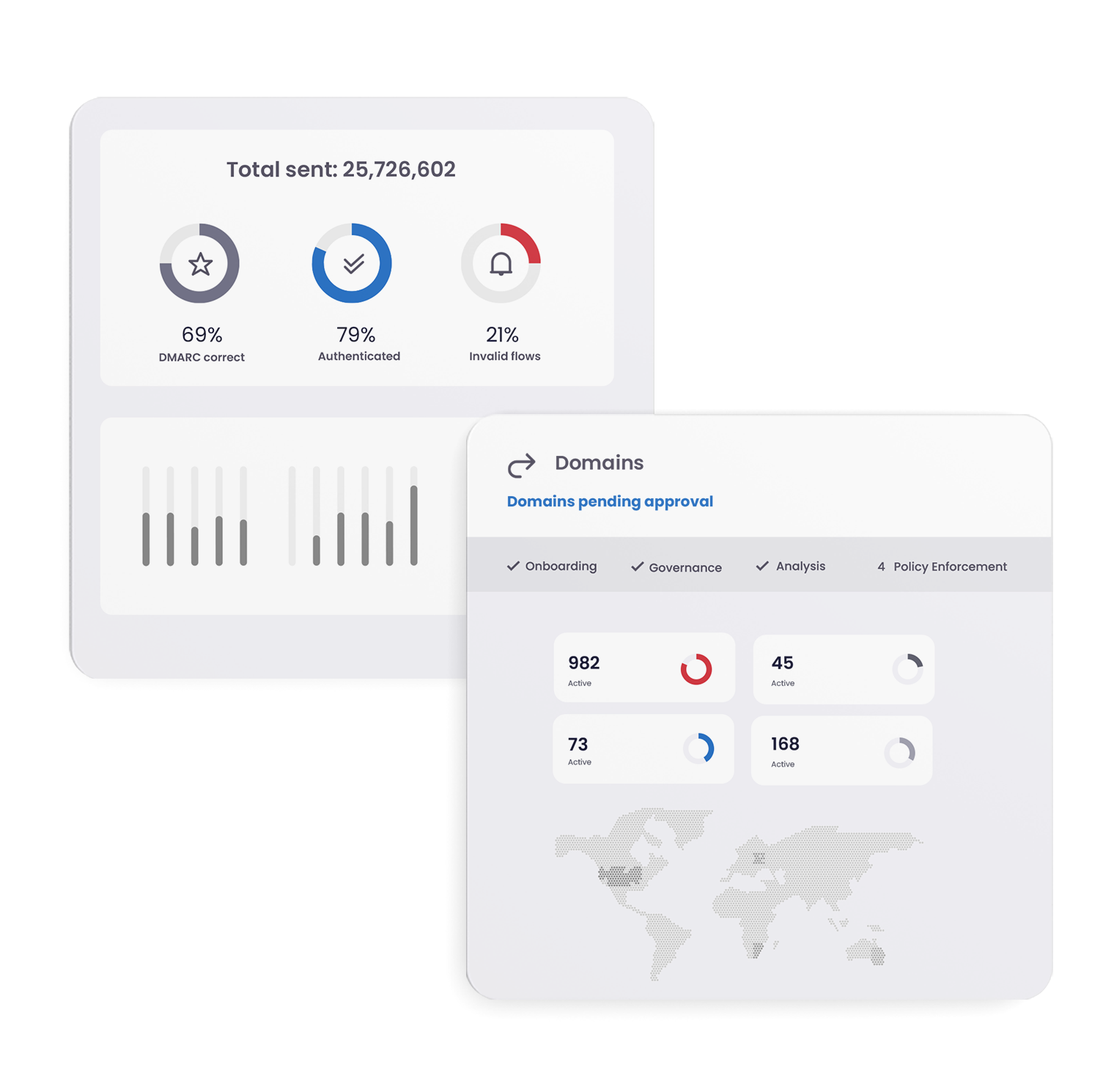
Enterprise domain grouping works
Recurring reports need setup
MSP handoff feels manual
DMARCLytics
SMB rollout is quick
Custom MSP path exists
Client separation needs checking
DMARCAnalyzer was strongest when the buyer profile looked like a security team with change control, DNS owners, and executive reporting needs. Account separation worked better for enterprise domain groups than MSP client portfolios, recurring reports needed setup discipline, and client handoff notes were too manual for high-volume agency work.
DMARCLytics fit smaller teams better because onboarding, hosted records, and sender review moved quickly. Its Enterprise and Agency language suggested a route for MSPs, but recurring reporting, client grouping, and multi-team handoff needed more proof before we would use it for a large managed portfolio.
What DMARCAnalyzer felt like after 90 days of real use
DMARCAnalyzer
After 90 days, DMARCAnalyzer felt strongest when a security team wanted to build a defensible p=quarantine or p=reject plan. The corporate domain and parked domain stayed easy to separate, and the unauthorized spoof sample was tied back to policy movement rather than treated as only an alert.
The daily work was slower. The unknown sender needed owner notes outside the main classification flow, SendGrid needed a manual decision after the marketing subdomain DKIM case, and exports were useful but better suited to scheduled review than a fast operational queue.
Where it wins
Clear enforcement planning
Strong DNS setup sequence
Useful export detail
Good enterprise handoff
Where it lags
Pricing needs reconstruction
MSP workflow feels manual
SPF delegation costs extra
No AI copilot
Pricing
From $5,000 / year estimated
Free tier
Free trial
Onboarding
Structured DNS wizard
G2 rating
0 / 5
What DMARCLytics felt like after 90 days of real use
DMARCLytics
DMARCLytics felt faster in the first week. Google Workspace and Mailchimp were classified quickly, the hosted SPF and hosted DMARC screens reduced DNS back-and-forth, and the spoof sample triggered a clearer operator-facing warning.
After 90 days, the rougher edges were pricing labels, enterprise boundaries, and deeper policy review. The forwarded SPF failure was easy to explain, but the evidence trail for who approved an unknown sender was thinner than we wanted for a larger audit.
Where it wins
Fast initial onboarding
Hosted SPF and DMARC
Useful blocklist (blacklist) checks
AI explanations help operators
Where it lags
Pricing labels conflict
API not clear
No hosted MTA-STS
Enterprise scope needs confirmation
Pricing
From GBP 9.99 / month
Free tier
14-day trial
Onboarding
Fast hosted-record setup
G2 rating
0.0 / 5
Pricing
DMARCAnalyzer
DMARCLytics
Suped
Small
1 domain, up to 1k emails / month.
From $5,000 / year
Fundamentals public reseller data covers 5 active domains and 2 million monthly emails, so this is oversized for one small domain.
GBP 9.99 / month
Starter card covers 3 root domains and 150k monitored emails; the page also says Starter is free, so verify checkout.
$0 / month
Free plan covers 1 domain and 1,000 monthly emails.
Medium
2 domains, up to 100k emails / month.
From $5,000 / year
Fundamentals fits 2 domains and 100k monthly emails if the organization accepts the annual package.
GBP 30 / month
Professional or Business covers 10 root domains and 3 million monitored emails.
Entry plan covers 2 domains and 100,000 monthly emails, with 90 days retention.
Large
10 domains, up to 1 million emails / month.
From $19,250 / year
Public Standard T4 estimates cover 6-10 active domains; higher rank bands cost more.
GBP 30 / month
The public mid-tier covers 10 root domains and 3 million monthly emails, so volume is inside the listed limit.
10 domains and 1,000,000 monthly emails, with 365 days retention.
Enterprise
Over 20 domains and 1 million emails / month.
From $22,500 / year
Lowest visible Standard estimate for 11-25 domains; managed services and higher rank bands add cost.
Custom
Enterprise covers high-volume and multi-domain needs with custom pricing.
20 domains and 2,500,000 monthly emails, with 365 days retention. Unlimited domains/emails negotiable.
DMARCAnalyzer numbers are public reseller and older price-book planning estimates, not official self-serve prices. DMARCLytics numbers are public GBP monthly prices, with Starter and tier naming conflicts noted on its pricing page. Pricing was checked as of May 15, 2026.
If you cannot decide between the two, maybe the answer is Suped
Suped
Get started
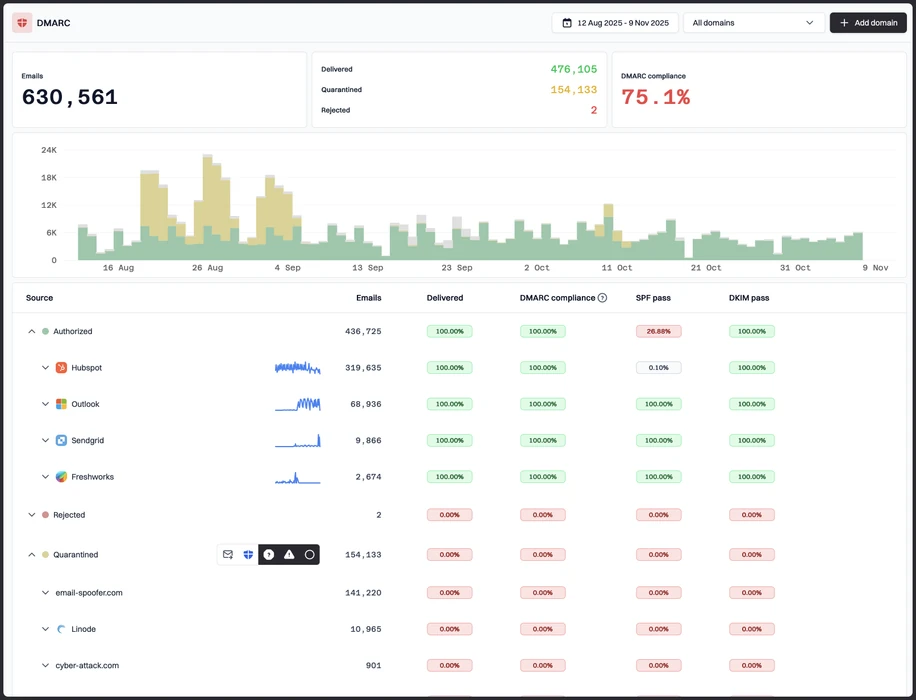
Unknown sender ownership
During testing, DMARCAnalyzer showed enough source data to investigate the unknown sender, but owner assignment still needed manual notes. Suped turns source identification into guided fix steps with owner context.
Pricing and rollout planning
DMARCLytics published entry pricing, but its Starter and Business labels conflicted. Suped publishes a free entry tier and paid starting points, so budget planning depends less on clarification.
Client handoff and alerts
Both reviewed products needed extra process for MSP handoff notes and alert routing. Suped groups client work, recurring checks, and action-focused alerts in one workflow.
The difference was significant. We moved from limited visibility to a much clearer dashboard. Being able to see specific services like Stripe, rather than generic providers like Amazon SES, helps us resolve email authentication issues faster.
Markus Hugenschmidt, Managing Director, Jam Cyber
Migrating from DMARCAnalyzer or DMARCLytics?
We have done the migration enough times to know the shape.
Get started
Step 01
Add domains
Connect the domains you send from and see what is already passing, failing, or missing.
Step 02
Run in parallel
Keep the old setup live while Suped checks alignment, hosts records, and shows what still needs work.
Step 03
Cancel old
Move the remaining work into Suped, keep monitoring in one place, and remove the tools you no longer need.
Frequently asked questions

How MONEYME proactively strengthens domain security and unlocks higher email engagement with Suped
See how MONEYME uses Suped
How cybersecurity specialist Jam Cyber delivers scalable DMARC protection with Suped
See how Jam Cyber uses Suped

How Vision Australia maintains full DMARC enforcement across a large domain portfolio with Suped
See how Vision Australia uses Suped

How The POP Team turns domain checks and DMARC visibility into client ready delivery work
See how The POP Team uses Suped

How DigiBean simplified DMARC monitoring and improved email security for their MSP clients
See how DigiBean uses Suped

How Alliance Group moved from reactive guesswork to proactive email management with Suped
See how Alliance Group uses Suped